


Nightshift Pest Control
News & analysis ·
On 23 July a council food and safety team visited a town centre restaurant. The restaurant closed that same day and did not trade again until 4 August. Twelve days, in peak summer, on a decision taken during a single inspection.
The detail most operators miss is what prompted the visit. The officers were there because the business had asked for a re-rating of a food hygiene score of 1. A re-rating request is not a formality or a paperwork exercise. It is a full inspection, and it happens on a day the business has effectively chosen.
What the officers recorded was live rodents and rat droppings in food storage and food handling areas, and bags of flour that had been gnawed. Affected stock was voluntarily disposed of. On those findings the officers issued a Hygiene Emergency Prohibition Notice and the premises closed the same day.
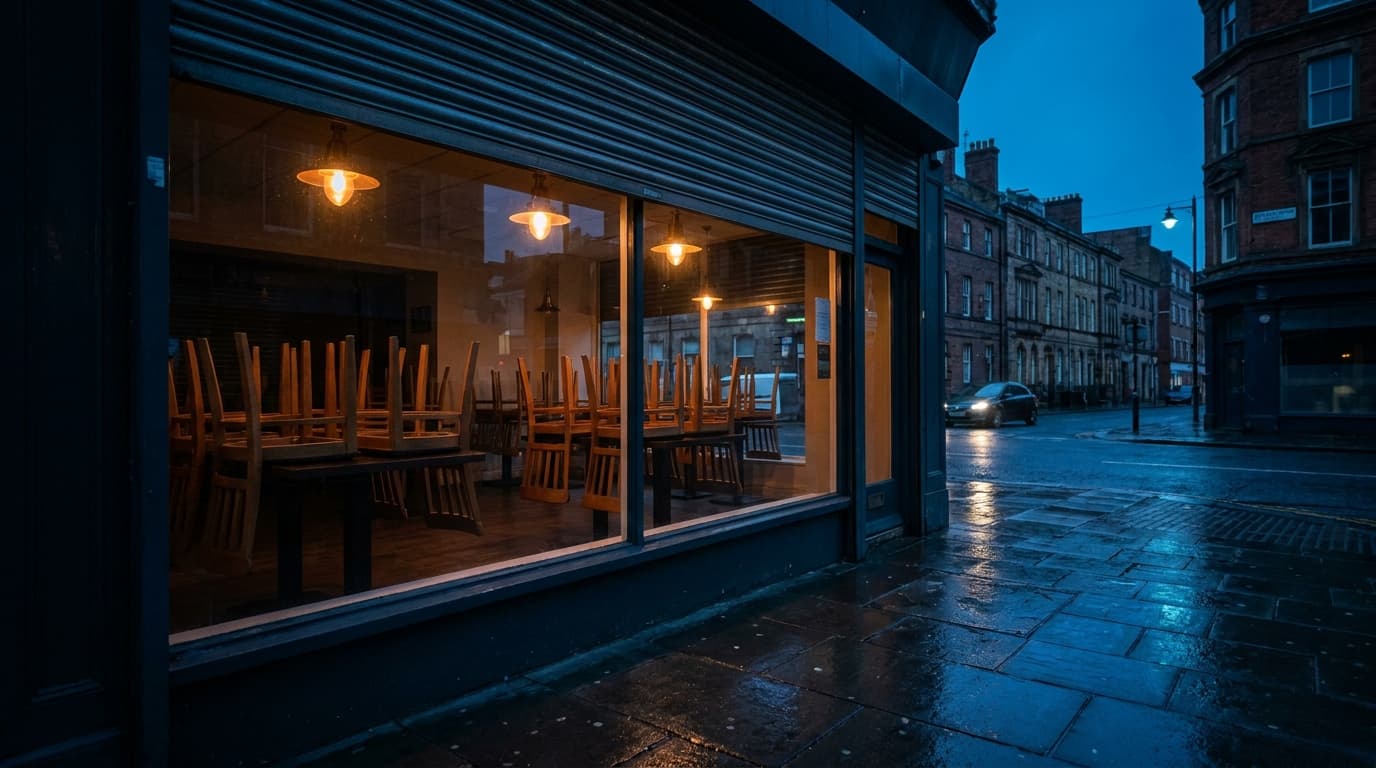
That notice is a power under section 12 of the Food Safety Act 1990. An authorised officer who is satisfied the health risk condition is met can serve it directly on the proprietor. There is no notice period, no window to prepare and no opportunity to fix the problem first. It takes effect when it is served, and a copy is fixed to the premises in a conspicuous position where customers and passers-by will read it.
The council then has three days to apply to a magistrates court, or the notice lapses. In this case the court agreed on 31 July and issued a Hygiene Emergency Prohibition Order, which kept the premises closed until the structural and pest control issues had been addressed and a comprehensive deep clean completed. Costs of 1,055 pounds were awarded to the council.
Read that condition again, because it is the part that decides how long you are shut. Not until the rodents are gone. Until the STRUCTURAL issues are addressed. Killing what is inside the building does not satisfy it. Proofing the building does, and proofing takes longer than treatment and cannot be rushed for an inspection.
Reopening is not on your clock either. A closure ends when the enforcement authority issues a certificate stating it is satisfied the health risk condition is no longer met. Where a business applies for that certificate, the authority must determine the application as soon as reasonably practicable and in any event within fourteen days. Fourteen days is the statutory backstop, not a target, and it sits on top of however long the repairs take.
There is a compensation provision, and it is narrower than it sounds. A proprietor served with a notice is compensated for the loss of complying with it only if the council does not apply for an order within three days, or applies and fails to satisfy the court that the health risk condition was met. Put plainly: if the council was right, the loss is yours.
None of this is unusual enforcement. It is the ordinary operation of a power that exists in every local authority in England and Wales, and councils publish these actions themselves, which is where the account above comes from.
The commercial argument is the one nobody makes to hospitality operators, so here it is. Every business in this position had the same underlying problem: it could not afford to close for pest work. Service hours are trading hours, a treatment during service is a treatment your customers watch, and so the work gets deferred to a quieter week that never quite arrives. The business that cannot close for treatment is the business that ends up closed by somebody else, for twelve days, on a date chosen by an environmental health officer.
That is the whole reason out-of-hours pest control exists. Treatment at 2am is not a premium convenience. It is the difference between losing a night nobody sees and losing a fortnight everybody reads about on a notice fixed to your own front door.
What this means for your site
If your premises cannot close during trading hours for pest work, that is not a reason to defer the work. It is the strongest argument for doing it overnight. Proofing in particular is what a prohibition order will demand and what takes longest to complete under pressure, so it is the work worth doing while nobody is waiting on it. If you hold a food business and have never had the structural side surveyed, that is the gap an emergency notice finds.
Sources
- Reading Borough Council, Council closes town centre restaurant following serious rodent infestation (4 August 2026)
- Food Safety Act 1990, section 12: emergency prohibition notices and orders