

Offices & corporate workplaces
Office and workplace pest control
Office pest problems are rarely dramatic and almost always sensitive. A mouse seen in a boardroom or a wasp nest above a client entrance becomes an internal talking point within the hour, and it lands on the facilities team rather than on anyone who caused it.
Nightshift's London technicians work office blocks alongside hotels, restaurants and cinemas. The pattern is consistent: the treatment is straightforward, the discretion is not optional.
How we work this environment
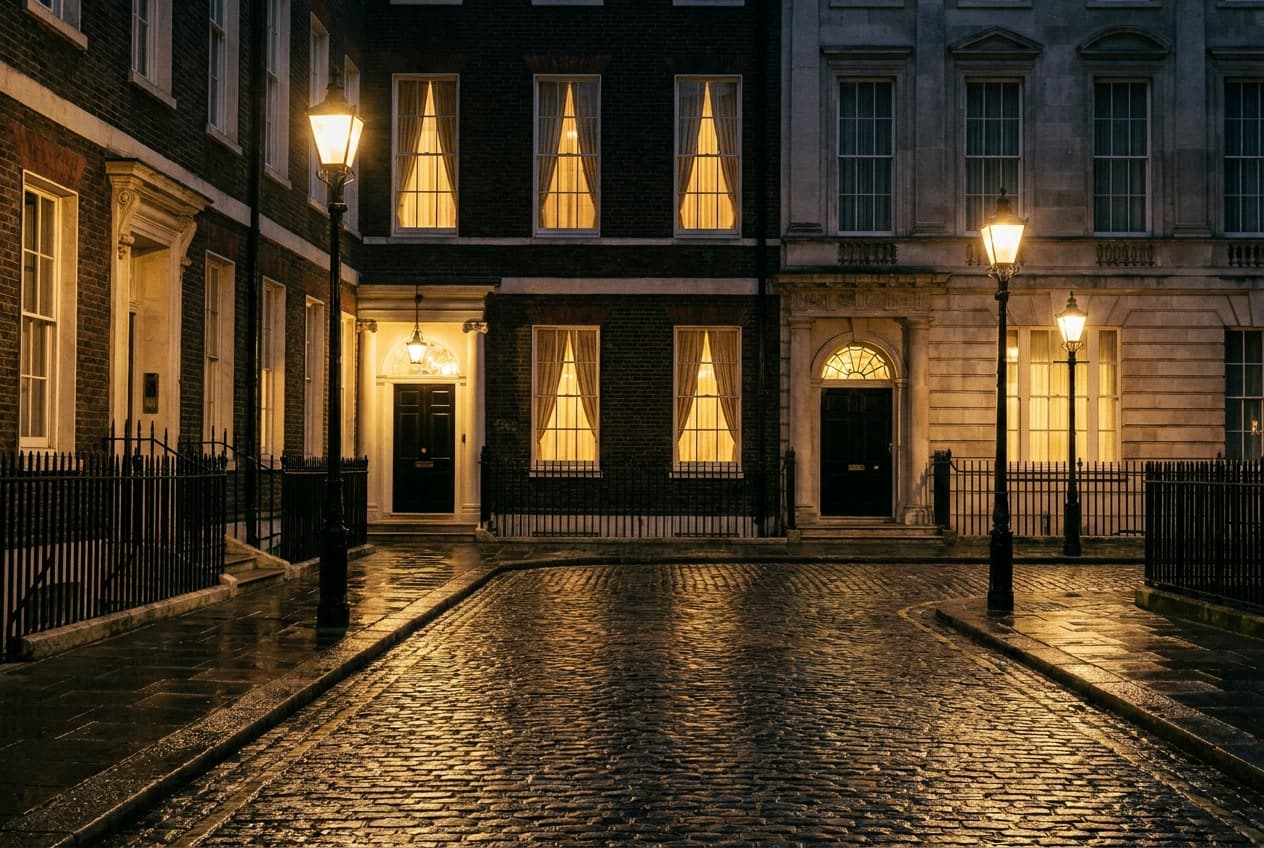
Evenings and overnight as standard, so nobody in the building sees a technician. Low-profile arrivals and plain uniforms mean neither your staff nor your visitors know why we are there.
The risk profile
What makes this environment different.
Staff kitchens are unmanaged food businesses
Tea points and breakout kitchens generate food waste with none of the discipline of a commercial kitchen and none of the cleaning regime, which makes them the most common source of an office infestation.
Fit-outs open the building up
Refurbishment and churn breach ceiling voids, risers and partitions, giving rodents new routes through a building that was previously sealed.
Period buildings leak
London's most desirable office stock is often the oldest, with timber floors, panelling and service voids that offer both harbourage and, in the case of woodworm, a structural problem of their own.
Visibility is the real cost
The commercial damage is almost never the pest itself. It is the client in reception, the photograph in a group chat, and the questions the facilities team then has to answer.
Where we look first
The places it actually starts.
- Tea points, breakout kitchens and vending areas
- Waste and recycling stores
- Ceiling voids, raised floors and riser shafts
- Comms rooms and plant areas
- Basement archives and storage
- Timber panelling, floors and historic joinery
- External ledges, light wells and roof terraces
Compliance & evidence
Same-day written reports for the building file, RAMS and COSHH documentation on request, and technicians DBS checked before deployment. For managed buildings and portfolios we can report into your CAFM system rather than sending documents your helpdesk then has to rekey.
Certificates published, not promised
BPCA member M15/1628, CEPA certified to EN 16636, CHAS, SafeContractor and Constructionline, with numbers and expiry dates on our procurement page.
Common questions
Offices & workplaces, answered.
The questions facilities and operations teams raise most, answered plainly.
Can you attend outside working hours?
Yes, and for offices that is usually how we work. Out-of-hours is our standard shift rather than an add-on, so treatment happens when the building is empty.
We manage a portfolio of buildings. Can that sit under one agreement?
Yes. One agreement across the estate with per-site schedules, one point of contact and one escalation path, plus consolidated reporting with site-level detail on request.
Our building is listed and has original timber. Does that change things?
It can. Where timber is historic we survey before specifying, and chemical-free options including biological woodworm treatment are available for buildings where a conventional application is not appropriate.
Arrange a survey
London never sleeps.
Neither do we.
Call today for a no obligation quote, 24/7. Surveys, quotations and advice are free and without obligation.
office@nightshiftpestcontrol.co.uk
5 Linden Close, The Pantiles, Tunbridge Wells, TN4 8HH
BPCA member · CEPA · CHAS · SafeContractor