

Estates, parks & heritage
Country estate, park and heritage pest control
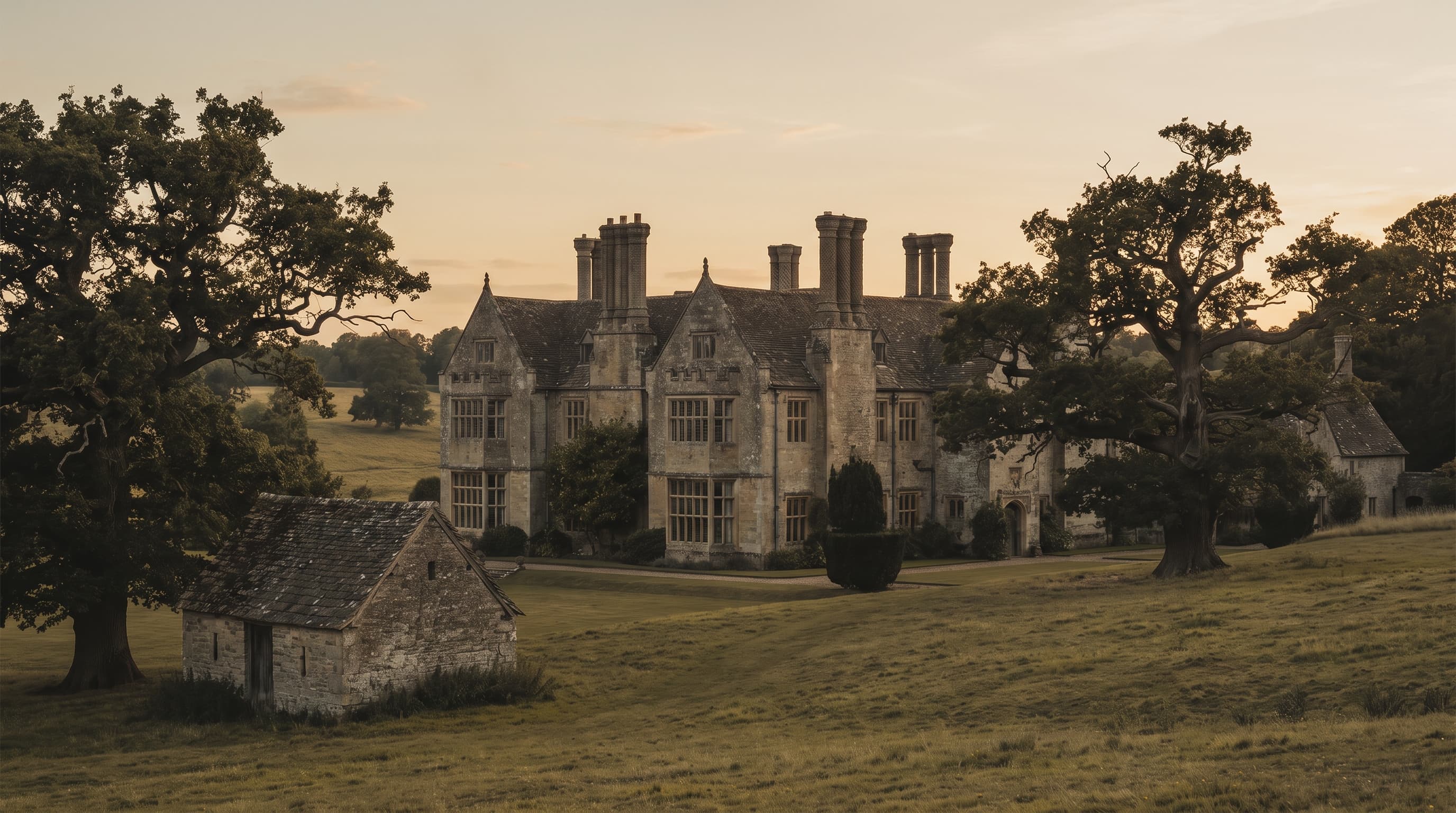
Nightshift has spent over forty years working in many of England's most important and historic buildings, historic monuments, thousand-year-old churches and Elizabethan country houses. An estate is different again from a museum: the collection is the building and the land it stands in.
The defining constraint is that much of what lives in a historic estate is protected by law, and some of it is welcome. Pest control here is an exercise in distinguishing what must be excluded from what must be left alone, and doing the former without damaging fabric that cannot be replaced.
How we work this environment
Around opening, events and the estate calendar, out of hours as standard, and in step with your conservation officer or ecologist where the fabric or the wildlife requires it.
The risk profile
What makes this environment different.
Bats are protected, and they live in roofs
All UK bat species and their roosts are protected by law, whether or not bats are present at the time. Work in roof voids on historic buildings has to be assessed for roosts before it starts, and can require a licence and an ecologist rather than a pest technician.
Squirrels and rodents damage the structure
Grey squirrels in roof spaces gnaw timber and wiring and are a genuine fire risk in buildings where a fire is unrecoverable. Rodents in historic timber compound whatever the woodworm has already started.
Consent limits the repair, not just the treatment
In listed fabric, what may be fixed, sealed or applied is constrained by consent. Proofing has to be specified sympathetically, which is a conservation skill as much as a pest one.
Visitors, events and tenants complicate it
An estate with public opening, weddings, holiday lets and farm tenancies has several different operations under one ownership, each with its own pest profile and its own tolerance for disruption.
Where we look first
The places it actually starts.
- Roof voids, bell frames and historic timber structures
- Stables, outbuildings and redundant estate buildings
- Cellars, undercrofts and service tunnels
- Visitor catering, tea rooms and event kitchens
- Walled gardens, glasshouses and potting sheds
- Lakes, moats, ditches and estate drainage
- Holiday lets, cottages and tenanted property
Compliance & evidence
Work is surveyed before it is specified, and protected species are assessed as part of that survey rather than discovered mid-job. Programmes follow Integrated Pest Management with monitoring and exclusion leading, rodenticide use follows CRRU stewardship, and treatment specifications are designed to protect the property, its occupants and the natural fauna around it.
Certificates published, not promised
BPCA member M15/1628, CEPA certified to EN 16636, CHAS, SafeContractor and Constructionline, with numbers and expiry dates on our procurement page.
Common questions
Estates, parks & heritage, answered.
The questions facilities and operations teams raise most, answered plainly.
There may be bats in the roof. Can you still work there?
Only after the roof has been assessed. All UK bats and their roosts are legally protected whether or not bats are present at the time, so a roost assessment comes first and, where one is found, the work needs the appropriate licensing and ecological input.
Can woodworm be treated without chemicals in a listed building?
Yes. Biological control using the parasitoid wasp Spathius exarator targets the beetle larvae inside the timber, so nothing is sprayed and no fabric is cut out, which is why it suits listed and consented buildings.
Can you proof a listed building without damaging it?
Proofing is specified sympathetically to historic fabric. That is the same discipline we apply to timber work in listed properties. Where a repair would need consent, we identify it rather than proceeding.
Arrange a survey
London never sleeps.
Neither do we.
Call today for a no obligation quote, 24/7. Surveys, quotations and advice are free and without obligation.
office@nightshiftpestcontrol.co.uk
5 Linden Close, The Pantiles, Tunbridge Wells, TN4 8HH
BPCA member · CEPA · CHAS · SafeContractor