

Hospitals & healthcare
Hospital and healthcare pest control
Nightshift's London technicians already work NHS hospitals alongside hotels, offices, cinemas and universities. Healthcare is the environment where the consequences of getting pest control wrong are most serious and the constraints on doing it are tightest.
The crossover with infection control is what makes it different. A pest issue in a clinical setting is a patient safety matter, not only a hygiene one, and the treatment itself has to be assessed against the same standards, what is applied, where, and what happens to immunocompromised patients in the vicinity.
How we work this environment
Around clinical schedules and access windows, 24 hours a day. Because our technicians work nights as standard, the quiet hours that suit a ward are our normal shift rather than an exception.
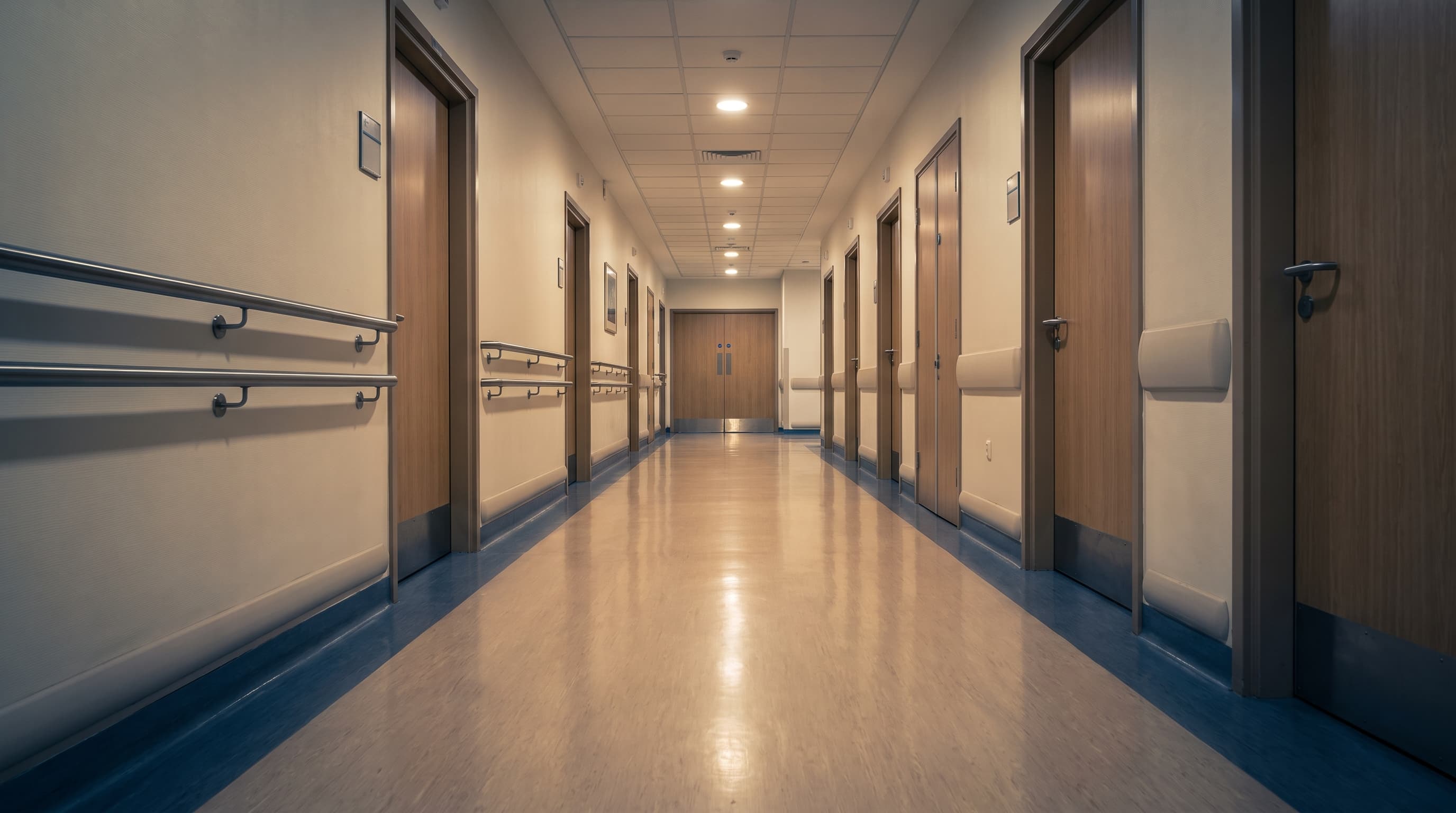
The risk profile
What makes this environment different.
Infection control governs the method
Pests are vectors, and vulnerable patients raise the stakes of any exposure. Both the infestation and the intervention have to be assessed against infection prevention protocols, which rules out approaches that would be routine elsewhere.
There is no downtime to work into
A hospital runs continuously. Treatment has to fit around clinical activity, theatre lists and ward routines without displacing patients or interrupting care, and access to some areas may be available only in narrow windows.
The estate is large, old and interconnected
Service tunnels, ducts and plant rooms link wards, kitchens and waste areas across buildings of very different ages. Pressure travels along that infrastructure, so treating a ward without tracing the route rarely holds.
Evidence is scrutinised
Estates teams, infection prevention leads and inspection regimes all read the record. Documentation is part of the deliverable, not an administrative afterthought.
Where we look first
The places it actually starts.
- Ward kitchens, pantries and patient catering
- Main kitchens, dining and vending areas
- Clinical and domestic waste stores
- Service tunnels, ducts, risers and plant rooms
- Linen handling, laundry and storage
- Mortuary, pathology and specimen areas
- Grounds, external bin compounds and drainage
Compliance & evidence
Technicians are DBS checked before deployment and work to your infection prevention and permit arrangements. Catering areas are covered to satisfy the Food Safety Act 1990, and same-day written reports give estates and infection prevention teams the contemporaneous evidence inspection regimes expect. RAMS and COSHH documentation is supplied for the site file.
Certificates published, not promised
BPCA member M15/1628, CEPA certified to EN 16636, CHAS, SafeContractor and Constructionline, with numbers and expiry dates on our procurement page.
Common questions
Hospitals & healthcare, answered.
The questions facilities and operations teams raise most, answered plainly.
Can you work around clinical activity?
Yes, and it is the only workable approach. Visits are planned to your access windows and ward routines, including nights, so treatment never displaces patients or interrupts care.
What vetting do your technicians hold?
All technicians are DBS checked before deployment, and the team holds the rigorous security clearance required for government and airside environments where that standard is needed.
Can you work within our estates or CAFM system?
Yes. We work with customers using any CAFM or facilities management system and already operate alongside ProNett, Expansive FM, Verisae, TF Cloud, Dwellant and Joblogic, plus Coupa and EcoOnline on the procurement side.
Arrange a survey
London never sleeps.
Neither do we.
Call today for a no obligation quote, 24/7. Surveys, quotations and advice are free and without obligation.
office@nightshiftpestcontrol.co.uk
5 Linden Close, The Pantiles, Tunbridge Wells, TN4 8HH
BPCA member · CEPA · CHAS · SafeContractor