

Museums, galleries & heritage
Museum, gallery and heritage pest control
In a museum the pest is not the only risk. The treatment is a risk too, and a collection can be damaged as easily by an inappropriate chemical application as by the insects it was meant to control.
Nightshift's timber team has over forty years' experience preserving timber in many of England's most important and historic buildings, from historic monuments and thousand-year-old churches to Elizabethan country houses. That work is why we default to monitoring, exclusion and targeted intervention rather than routine chemical treatment.
How we work this environment
We work around opening hours and around installation schedules, out of hours as standard, and will say plainly at survey when a proposed treatment is not appropriate for the environment.
The risk profile
What makes this environment different.
The damage is irreversible
Textiles, furs, feathers, natural history specimens, paper and bound volumes cannot be replaced. Damage is cumulative and often only discovered long after the population established.
Consent limits what can be applied
In a listed building or a collection environment, what may be applied to the fabric is constrained by conservation consent and by the conservator's own standards, not just by product labelling.
Loans and incoming objects carry risk
Every incoming loan, acquisition or returning display is a potential introduction, which is why quarantine and inspection matter as much as anything done to the building itself.
Woodworm in structural timber
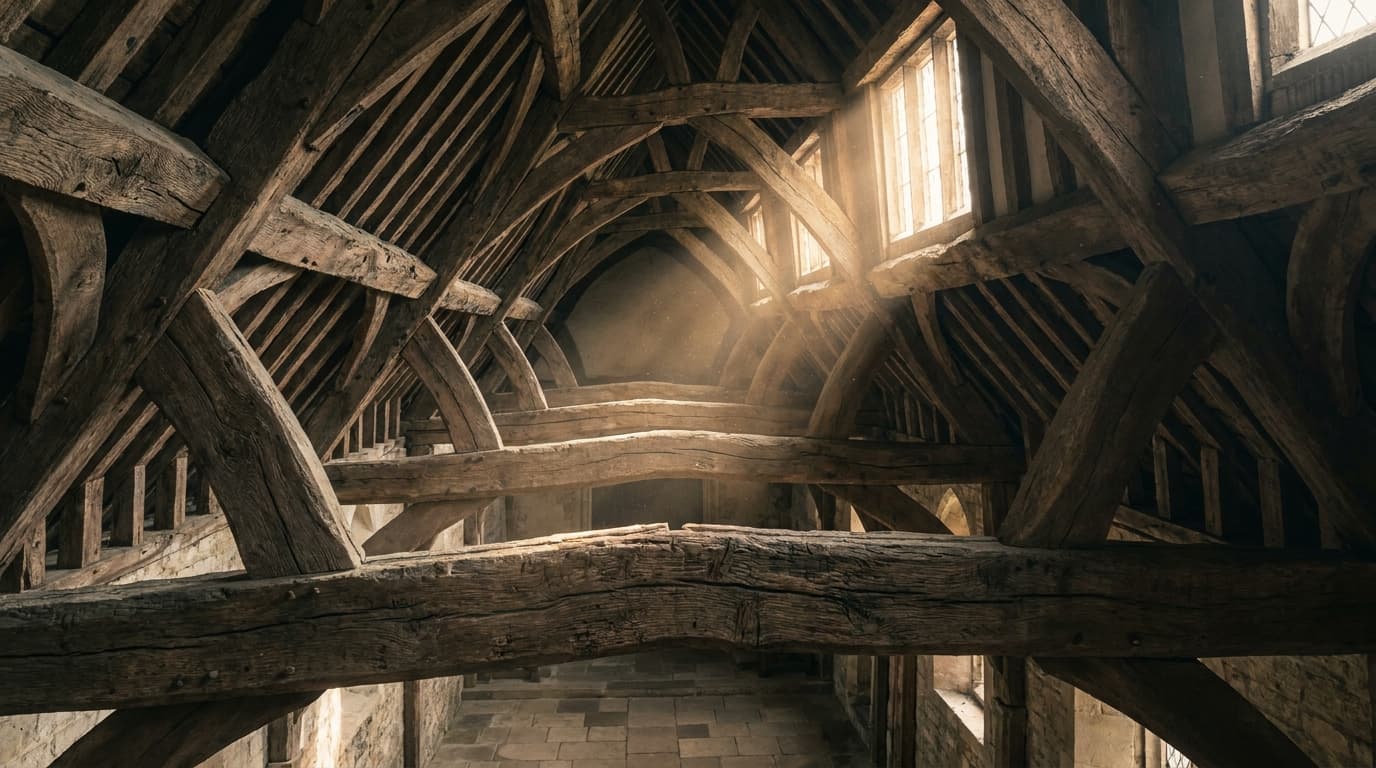
Historic roof structures, panelling and floors can carry active furniture beetle for years unnoticed. Conventional treatment often means stripping finishes or cutting out timber that the building cannot afford to lose.
Where we look first
The places it actually starts.
- Stores, reserve collections and quarantine areas
- Display cases, plinths and mount fixings
- Historic timber, panelling, roof voids and floor voids
- Textile, taxidermy and natural history material
- Libraries, archives and paper stores
- Café, retail and event catering areas
- Cellars, ducts and undercroft spaces
Compliance & evidence
Programmes are built on integrated pest management: exclusion, proofing and monitoring first, with treatment targeted rather than routine. Field biologists advise on the sites that need them and rodenticide use follows CRRU stewardship. Written reports after each visit support conservation records and insurer requirements.
Certificates published, not promised
BPCA member M15/1628, CEPA certified to EN 16636, CHAS, SafeContractor and Constructionline, with numbers and expiry dates on our procurement page.
Common questions
Museums & heritage, answered.
The questions facilities and operations teams raise most, answered plainly.
Can you treat woodworm without chemicals?
Yes. We offer biological woodworm control using the parasitoid wasp Spathius exarator, which targets the larvae of the common furniture beetle inside the timber. Nothing is sprayed and no fabric is cut out, which is why it suits listed buildings and collection environments.
Do you work to conservation standards?
Our approach is monitoring-led and minimal-intervention, and we work with your conservator or conservation officer on what may be applied. Where a chemical treatment is genuinely the right answer we will say so, and where it is not we will say that too.
Can you support an existing IPM programme?
Yes. We can work alongside an in-house monitoring regime, take on the trapping and inspection cycle, or provide specialist support for specific outbreaks and structural timber issues.
Arrange a survey
London never sleeps.
Neither do we.
Call today for a no obligation quote, 24/7. Surveys, quotations and advice are free and without obligation.
office@nightshiftpestcontrol.co.uk
5 Linden Close, The Pantiles, Tunbridge Wells, TN4 8HH
BPCA member · CEPA · CHAS · SafeContractor