

- Frognal Lane
- Fitzjohn's Avenue
- Finchley Road & Frognal station
- Hampstead Heath
- Church Row
What the postcode disguises is how much of this is commercial work. Behind the residential character sit interwar mansion blocks run by managing agents, prep schools and nurseries, consulting rooms and private clinics along Fitzjohn's Avenue, diplomatic and institutional occupiers in converted townhouses, and housing association and council-managed stock a few streets in either direction. Every one of those is a contract with reporting obligations, insurance requirements and a duty holder who needs evidence, not a reassurance on the doorstep.
The pests do not respect that distinction. A squirrel entering a mansion block roof is the same problem as a squirrel entering a house, except that it is now the agent's liability, the residents' committee's agenda item and, if it reaches a cable run, an insurance claim. Blocks also concentrate what individual houses only hint at: communal bin stores, shared loft space over multiple flats, and roofs whose parapets and valley gutters carry pigeon nesting that no single leaseholder will ever pay to remove.
Nightshift has been treating buildings of this age for over forty-five years, and the specialist trades matter more here than in most of London. The same survey that deals with a squirrel in a roof void is often the one that identifies an old woodworm flight-hole pattern in a rafter, a damp bearing end, or a gable that needs proofing rather than another visit. Our timber division has been preserving historic timber for over forty years and issues twenty-year warranties on its work. Technicians answer 24 hours a day, and a survey costs nothing.
The building stock
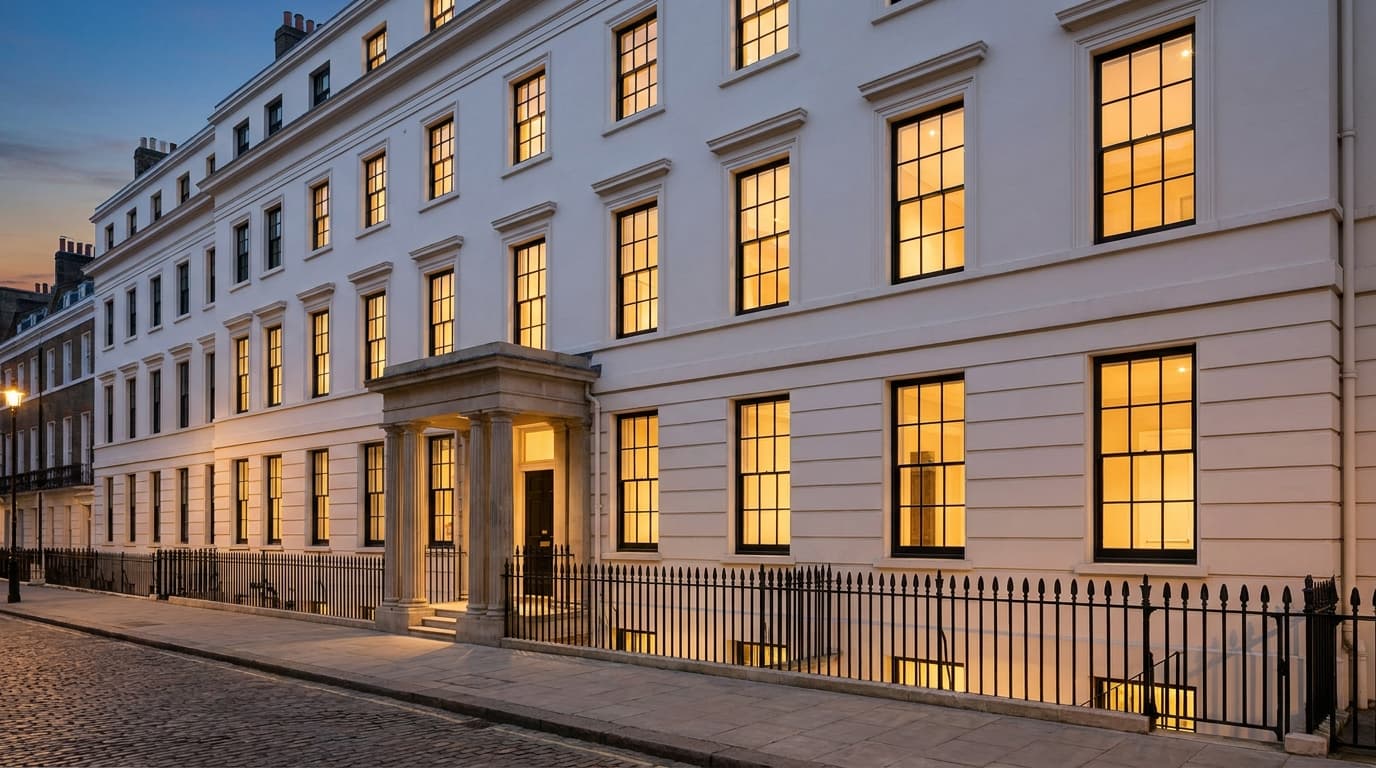
Large Victorian and Edwardian detached and semi-detached houses in generous plots, many with later loft conversions, tile-hung gables and deep timber eaves, alongside interwar mansion blocks in multiple occupation, converted townhouses in institutional, school and clinical use, and a scatter of substantial modern replacements on the older garden plots.
Where the pressure comes from
Squirrels enter above head height
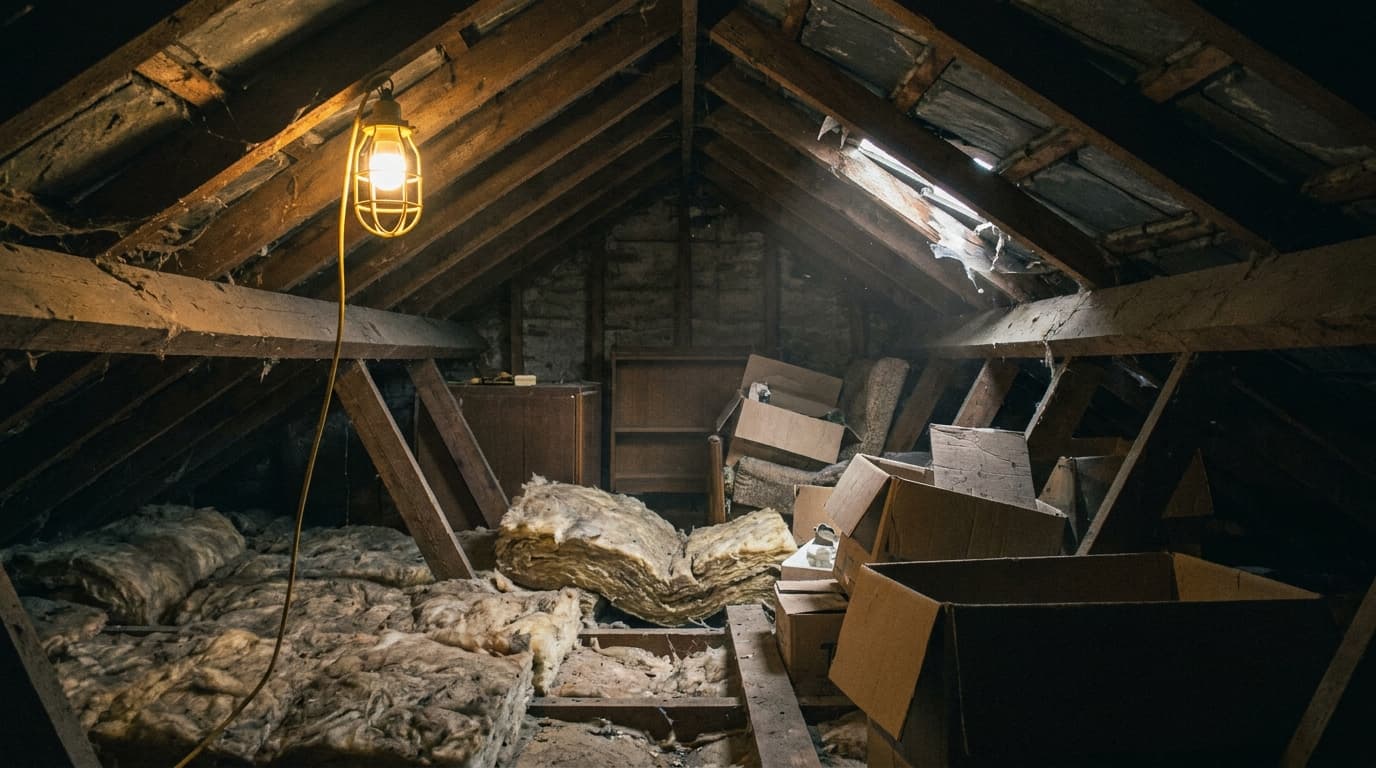
Overhanging branches put an animal on the roof without it ever crossing open ground, and from there a lifted tile, a rotten fascia or an unprotected soffit vent is a doorway. Loft insulation is warm, dry and undisturbed, which is why the same roof is re-entered season after season unless the entry point is repaired rather than the animal simply removed. In a block, the cable and pipe runs above the top-floor ceilings turn that into a building-wide risk.
A mansion block is a commercial building with residents in it
Communal bin stores, shared roof voids spanning several flats, service risers and porters' areas belong to the freeholder while the complaints arrive from leaseholders. Programmes that treat individual flats and ignore the communal fabric never close the case. We contract at block level, report to the agent the same day, and issue flat-level detail where a resident needs their own record.
Woodworm, rot and the buildings nobody has opened
Roof structures of this age and this size hide active and historic infestation in equal measure, and the two need telling apart before anyone spends money. Deep eaves cupboards, dormer cheeks and the triangular voids either side of a loft conversion stay dark, insulated and completely unvisited. Our timber team surveys, distinguishes live infestation from old damage, and treats or repairs accordingly.
Wasps in eaves and gable ends
From midsummer, nests build in soffits, behind bargeboards and inside roof voids on the warm elevations. In a three-storey house or a five-storey block the nest is frequently out of reach from a ladder, which is a job for proper access equipment rather than a can of aerosol.
Textile pests in interiors that are barely used
Wool carpets, runners on unheated staircases, stored clothing, upholstery in rarely used rooms and the carpeted communal stairs of a block give clothes moths and carpet beetle everything they need. Damage is usually found long after the population established, under furniture that has not been moved for years.
Who we work for in Frognal
- Managing agents and residents' associations
- Prep schools, nurseries and colleges
- Private clinics, consulting rooms and care providers
- Housing associations and council-managed blocks
- Estate agents, lettings managers and relocation firms
- Architects, surveyors and refurbishment contractors
- Private homeowners and family houses
Common hotspots
- Roof voids, eaves cupboards and dormer cheeks
- Soffit vents, fascias, bargeboards and lifted ridge tiles
- Communal bin stores, refuse areas and porters' cupboards
- Parapet gutters, valley junctions and pigeon-nesting ledges on block roofs
- Cold-water tanks and pipe runs in the loft
- Cellars, coal chutes and under-stair voids
- Garden outbuildings, log stores and compost heaps
- Boundary hedging, ivy-covered walls and mature tree canopy
- Wool carpets, wardrobes, communal stair carpet and stored textiles
- Structural timber, rafters and floor joists
Questions we are asked in Frognal
- We manage a block here. Do you contract with the agent or the residents?
- With whoever holds the building. As standard we contract at block level with the managing agent or freeholder, attend communal areas on a scheduled programme, and issue the written report the same day. Where a leaseholder needs their own evidence for an insurer or a dispute we can supply flat-level detail separately.
- Something is running about above the top-floor ceiling. Squirrel or rat?
- The timing is the clue. Squirrels are heavy, distinct and busiest around dawn and dusk; rodents are lighter and are heard through the night. We identify it on survey from droppings, gnawing pattern and the entry points, because the treatment and the proofing differ, and in a block the cable runs make getting it right the difference between one visit and a claim.
- Do you hold contracts for schools, nurseries and clinics?
- Yes. Those sectors need documentation as much as treatment, so RAMS, COSHH data, insurance certificates and risk assessments are supplied for the file, technicians are DBS checked where the setting requires it, and visits are scheduled around the hours children or patients are on site. We are BPCA members and CEPA certified.
- Will you find how they are getting in, or just remove them?
- Both, and the second matters more. A roof that is not proofed is re-entered, usually within the same season. We survey the whole elevation, including the parts only visible at height, and repair the fabric so the route is closed.
- Can you deal with a wasp nest in a third-floor gable?
- Yes. Work at height is routine for our teams and we supply our own access equipment, so a nest in a soffit or behind a bargeboard is treated from a safe, stable position rather than off a ladder.
- We are buying a house on this road. Can you inspect the timber first?
- Yes. We carry out prior-purchase Home Buyers Surveys for woodworm, rot and damp, which in buildings of this age and this much roof structure is worth doing before exchange rather than after. Our timber team has been preserving historic timber for over forty years and issues twenty-year warranties on its work.
Related services
Pest control across other London districts
Arrange a survey in Frognal
Free and without obligation. Call 01892 871008 or request a survey. We answer 24 hours a day.