


Nightshift Pest Control
News & analysis ·
Two rodent cases in social housing were reported in the national and regional press this week. Read as most coverage frames them, they are stories about landlords failing. Read as a housing provider has to read them, they are something more uncomfortable and more useful, because in both cases pest control had already been out.
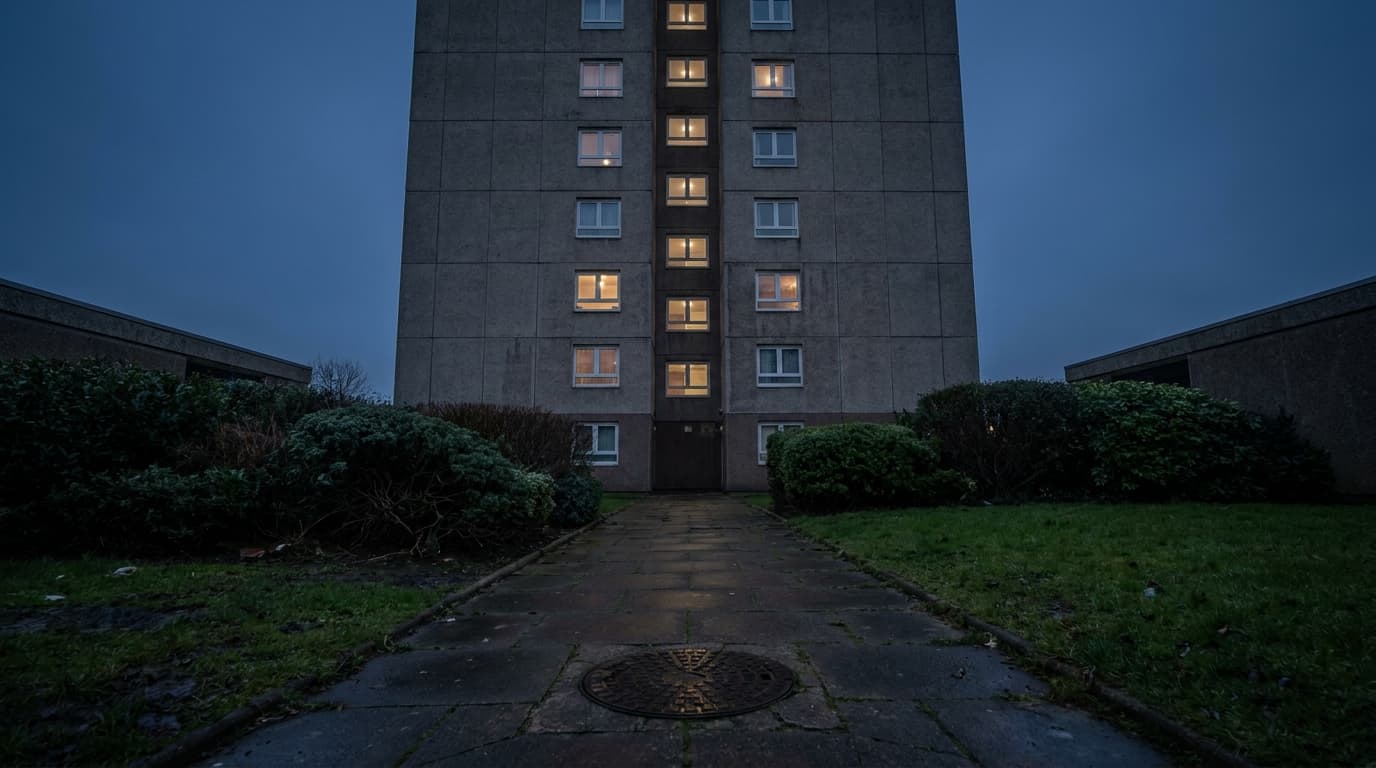
In the first, residents of a tower block described rats emerging from bushes and open drains in the grounds, including near a playground, and said they were keeping children indoors. The council told the paper its pest control team would visit that week. Buried further down the same report is the sentence that actually explains the case: a first report earlier in the summer did result in a pest control visit, but subsequent reports made to other council departments do not appear to have been passed on to pest control at all.
That is not a pest control failure. It is a routing failure, and it is the most common one in this sector.
In the second, a family in a London flat described years of mice followed by rats, including rats biting through pipework and flooding a kitchen. Their housing association sent pest control more than once. What the family asked for and did not get was to be moved while the building was put right.
Put those together and the pattern is clear enough to plan against. In neither case was the problem an absence of treatment. In both, treatment was the only thing that happened.
Reports arrive where the resident happens to be standing
A resident tells a caretaker, a housing officer, a repairs line, a customer contact centre, or whoever answers. Each of those is a real reporting route and only one of them ends at pest control. A provider that measures its pest performance by what its pest contractor logged is measuring the reports that arrived, not the reports that were made. The gap between those two numbers is invisible by construction, and it is where cases like these grow.
The practical fix is unglamorous: one route in, from any of those front doors, with the pest contractor visible on the same record the repairs team is looking at. If a caretaker's note and a contact centre call do not land in the same place, the second one is lost and nobody finds out until a reporter calls.
Treatment without proofing is a subscription
Rats around bushes, open drains and hard standing outside a block are almost never an internal problem that got out. They are an external population using a defect - a broken drain run, an open rodding eye, a gap where a service enters the structure - and the block is simply the warmest thing nearby. Baiting the outside of a building without repairing what feeds and shelters the population buys a quiet fortnight.
The same logic runs indoors. Rodents chewing pipework are already established behind the fabric, and treatment alone leaves the route in place for the next family. When the enforcement powers do get used against a landlord, they demand the structural work rather than the poison, which is the tell: the structural work is what actually ends it.
Who owns the drain is a question worth answering before the complaint
Where the reservoir is a shared sewer, the defect may not sit on the landlord's title at all, and the work belongs to a water company. That does not remove the landlord's problem, it just means the landlord has to evidence it to somebody else. Providers who can produce a dated camera survey get that conversation moving. Providers who cannot spend the same weeks re-treating and re-explaining.
Treat the block, not the flat that complained
Chutes, ducts, riser shafts and shared voids connect every home in a building. Treating the flat that reported it moves the problem next door and produces a second complaint from a neighbour who did nothing, which reads on the record as a spreading infestation rather than as a displaced one.
And keep the record, because the record is the defence
Both of these cases became public as resident accounts. In each, the landlord's position depends on being able to show what was reported, when, what was done, what was found and what remains outstanding on somebody else's title. That evidence is either produced as routine on every visit or it is assembled under pressure months later from memory, and the second version is the one that does not survive contact with an ombudsman.
None of this is a criticism of the providers in these two cases, whose situation is the ordinary one: a large estate, several ways to report a problem, a contractor doing what it was asked to do, and nobody holding the whole picture. It is the shape of the failure that is worth taking from it, because the shape repeats.
What this means for your site
If your pest performance is measured by what your contractor logged, you are measuring the reports that reached them rather than the reports residents made, and the difference is invisible until it is public. Check that a caretaker's note, a repairs call and a contact centre message all land on one record. Then check whether recurring cases at the same address have ever had a drainage survey behind them, because a case that returns after treatment is a structural defect until proven otherwise.
Sources
- Bristol Live, Parents pull children away from plague of rats at Bristol tower block (24 August 2026)
- Metro, 'Plague of mice infested my home before rats flooded the kitchen - we're living in fear' (20 August 2026)