

- Richmond Park
- Roehampton Lane
- Putney Heath
- Danebury Avenue
- Alton Estate
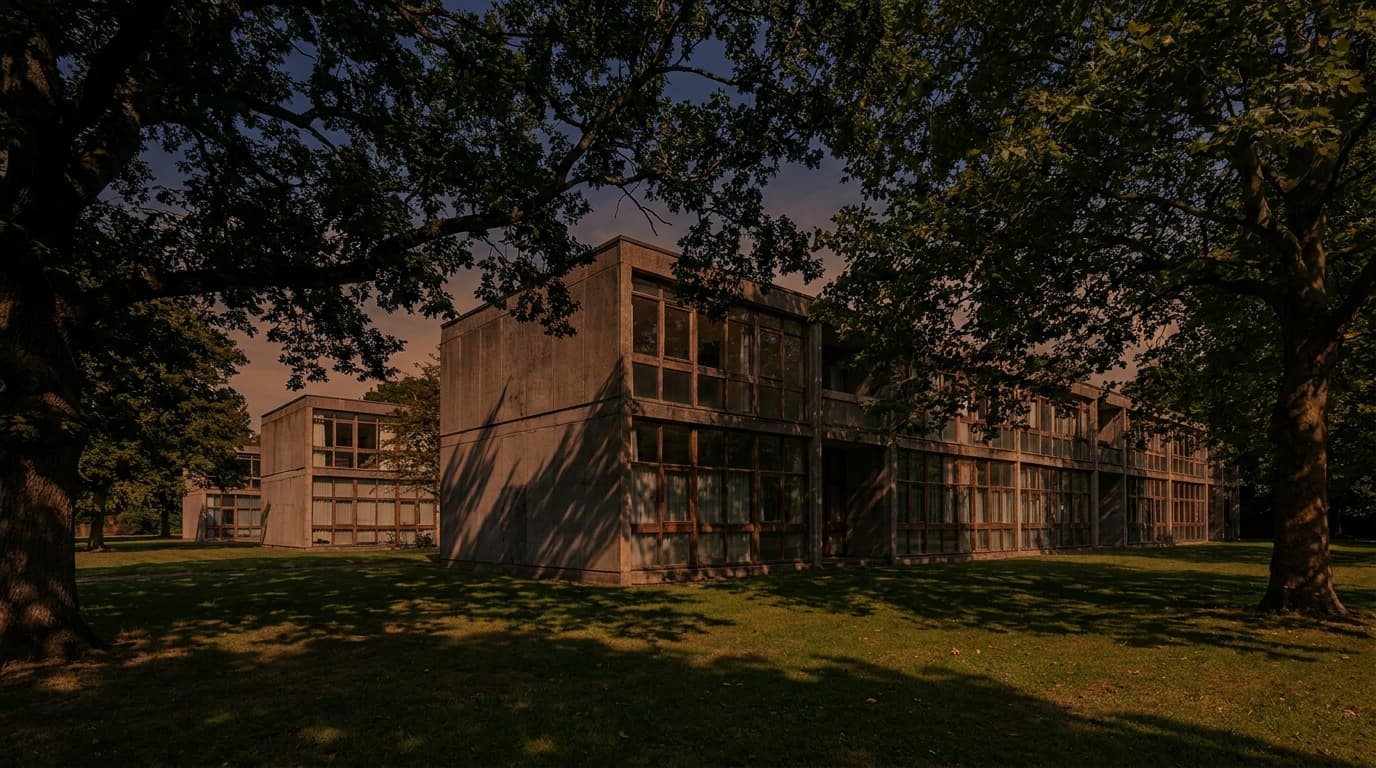
Practically, that means the pressure arrives from outside and from above rather than from a neighbouring building. Mature trees overhang roofs and give squirrels a route onto the structure that has nothing to do with the ground. Foxes work the bin stores and the undercroft areas at night. Leaf litter, dense shrub planting and accumulated deadwood provide continuous cover right up to the elevation, so rodents reach the building without ever crossing open ground. A programme that concentrates on the interior of the blocks is working at the end of the chain.
Nightshift surveys the tree line and the planting alongside the buildings, and reports what needs cutting back or clearing as plainly as what needs treating. That is often unwelcome, because grounds maintenance and pest control usually sit in different budgets and different contracts. It is also the single most effective intervention available here, and saying so in writing gives the housing provider something to take to the party that actually holds the grounds.
The buildings themselves need the ordinary block disciplines done properly: bin stores and refuse rooms in the programme rather than left to cleaning, riser shafts and service penetrations inspected and sealed, flat roofs and rainwater outlets checked for bird fouling, and void properties treated and proofed before re-let while access is unrestricted. Technicians are on shift through the night, which on a green estate is genuinely useful because that is when the foxes and the rodents are actually moving and when the activity can be seen rather than inferred. Every visit produces a written report the same day.
The building stock
Post-war slab blocks and point blocks with shared riser shafts and communal refuse stores, maisonette terraces and low-rise housing, set among mature trees, dense shrub planting and open grass on the edge of extensive parkland, with undercroft and garage areas beneath some blocks, flat roofs and plant decks above them, and later infill and student residential buildings nearby.
Where the pressure comes from
The tree line is the route in
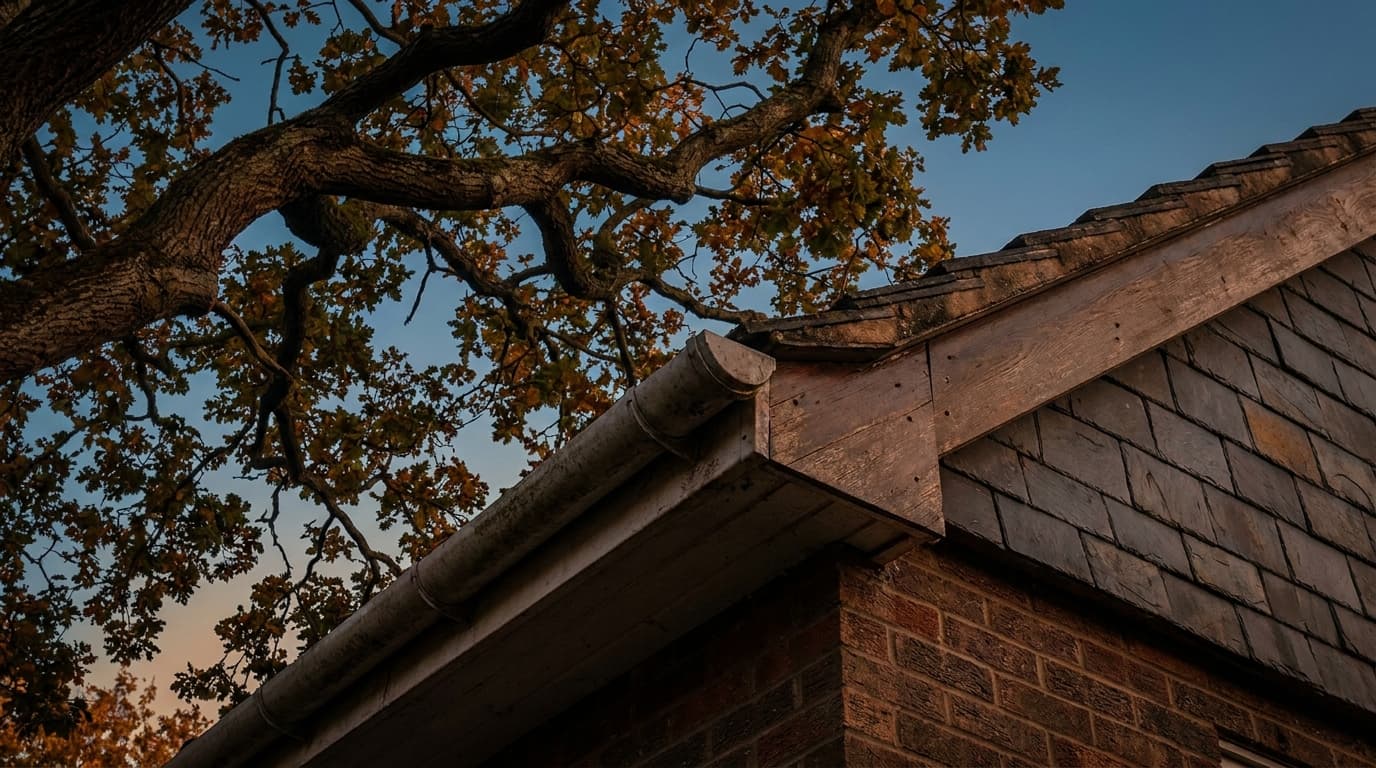
Mature trees overhanging a block give squirrels direct access to the roof, the soffits and any failed detail up there, bypassing every ground level proofing measure. Cutting back the overhang is usually a grounds maintenance job rather than a pest control one, which is exactly why it does not happen. We survey it, report it in writing and quantify what it is costing in repeat attendance, so the two budgets can have the conversation.
Planting and leaf litter against the elevation
Dense shrub beds, ivy and accumulated leaf litter running right up to the wall give rodents continuous cover to reach the building unseen, along with a stable, undisturbed harbourage. Clearing a margin along the elevation and keeping it clear removes more pressure than any bait programme placed inside. It is unglamorous and it is the thing that works.
Foxes working bin stores and undercrofts
On a green estate foxes are a nightly presence around refuse stores, undercrofts and garage areas, opening bags and spreading waste that then feeds a rodent population. The answer is containment rather than confrontation: bin store doors that close, bins with lids that seat, and a store that is not being used to hold loose bagged waste. We report the condition of the stores every visit because it is the leading indicator on this estate.
Blocks and shared vertical routes
The buildings still behave like blocks. Riser shafts, boxed services and the holes cut through them connect flats that share no wall, so activity moves vertically and appears unrelated between floors. Inspecting the shaft and sealing at each dwelling is what confines a problem to the flat that has it.
Birds on flat roofs and plant decks
Flat roofs, parapets and plant areas above the blocks attract feral pigeons, and the fouling blocks rainwater outlets long before anyone objects to the appearance. A blocked outlet becomes ingress, and ingress on housing stock becomes a damp and mould case with a statutory clock on it. Proofing and netting where the elevation suits it, hawking where it does not, and both carried out by our own teams.
Who we work for in Roehampton
- Housing associations and registered providers
- Local authority housing and estate management teams
- Managing agents and block management companies
- Universities and student residential providers
- Schools, nurseries and community buildings
- Care homes and supported living providers
Common hotspots
- Overhanging branches and the tree line against roofs
- Shrub beds, ivy and leaf litter along elevations
- Communal bin stores, refuse rooms and loose bagged waste
- Undercrofts, garage areas and external stores
- Riser shafts and service penetrations between floors
- Flat roofs, parapets, plant decks and rainwater outlets
- Soffits, fascias and roofline details reachable from trees
- Void properties standing empty between tenancies
- Grounds maintenance stores, compost and deadwood piles
Questions we are asked in Roehampton
- Squirrels keep getting into the roof. We have proofed at ground level.
- Ground level proofing will not help, because they are not arriving from the ground. Overhanging branches put them straight onto the roof and the soffit line. Until the overhang is cut back and the roofline details are closed, the void will keep being re-entered. We report the specific branches and the specific details so the grounds contractor and the repairs team each know their part.
- Our grounds maintenance is a separate contract. Does that matter?
- It matters a great deal here, because the most effective interventions on this estate are landscape ones: cutting back overhang, clearing a margin along the elevations, and removing deadwood and leaf accumulation. We report those items in writing with the reason attached, so you can put them in front of the contractor who actually holds them rather than absorbing the cost in repeat pest attendance.
- Foxes are getting into the bin stores every night.
- That is a containment problem before it is a fox problem, and it feeds a rodent problem behind it. We report store condition on every visit: whether doors close, whether bins have seating lids, and whether loose bagged waste is being left on the floor. Fixing those three things changes the estate more than anything we can place inside the blocks.
- Can you attend at night? We rarely see the activity in daylight.
- Yes, and on this estate it is genuinely worth it. Technicians are on shift through the night rather than called out from home, so a night survey shows what is actually moving and where, rather than inferring it from droppings the following morning.
- We manage student residential nearby as well as estate housing.
- The same team can hold both. Student residential brings its own pattern, particularly around turnover and communal kitchens, and having one contractor across the estate and the halls means the boundary between them is somebody's responsibility rather than nobody's.
- Do you treat voids before re-let?
- Yes. An empty property allows the roof void, service penetrations and external proofing to be dealt with without working around a household, and we report what was closed so the next tenancy starts from a known position.
Related services
- Universities & student accommodation
- Housing associations
- Falconry & bird of prey control
- Social housing
Pest control across other London districts
Arrange a survey in Roehampton
Free and without obligation. Call 01892 871008 or request a survey. We answer 24 hours a day.