

- Progress Estate
- Well Hall Pleasaunce
- Well Hall Road
- Eltham Palace
- Well Hall station
The constraint is what you are permitted to do to the outside of the building. Proofing normally means fixings, mesh, and hardware at the roofline, the verge and the service entries. On this stock those elevations are the reason the area is designated, so the specification has to start from what is reversible and sympathetic rather than from what is quickest. A contractor who turns up and screws galvanised mesh across a decorative eaves detail has created a second problem for the owner.
The building form itself gives the pests their advantage. Deep overhanging eaves, tile-hung and rendered gables, and continuous roof voids over pairs and short runs mean squirrels, wasps and birds have sheltered, well-connected space above the ceiling, reached through the kind of small defect that period detailing produces as it weathers. Ownership has fragmented too, with the estate now a mix of owner occupiers, private landlords and social tenancies along the same curve of houses, so the roof void frequently spans several titles.
Nightshift surveys the roofline and the render as carefully as the interior, specifies proofing that respects what the elevation will tolerate, and puts in writing what needs consent rather than assuming it. Timber and woodworm treatment is our own work too, which matters on stock of this age and construction. Technicians are on shift through the night and every visit produces a written report the same day.
The building stock
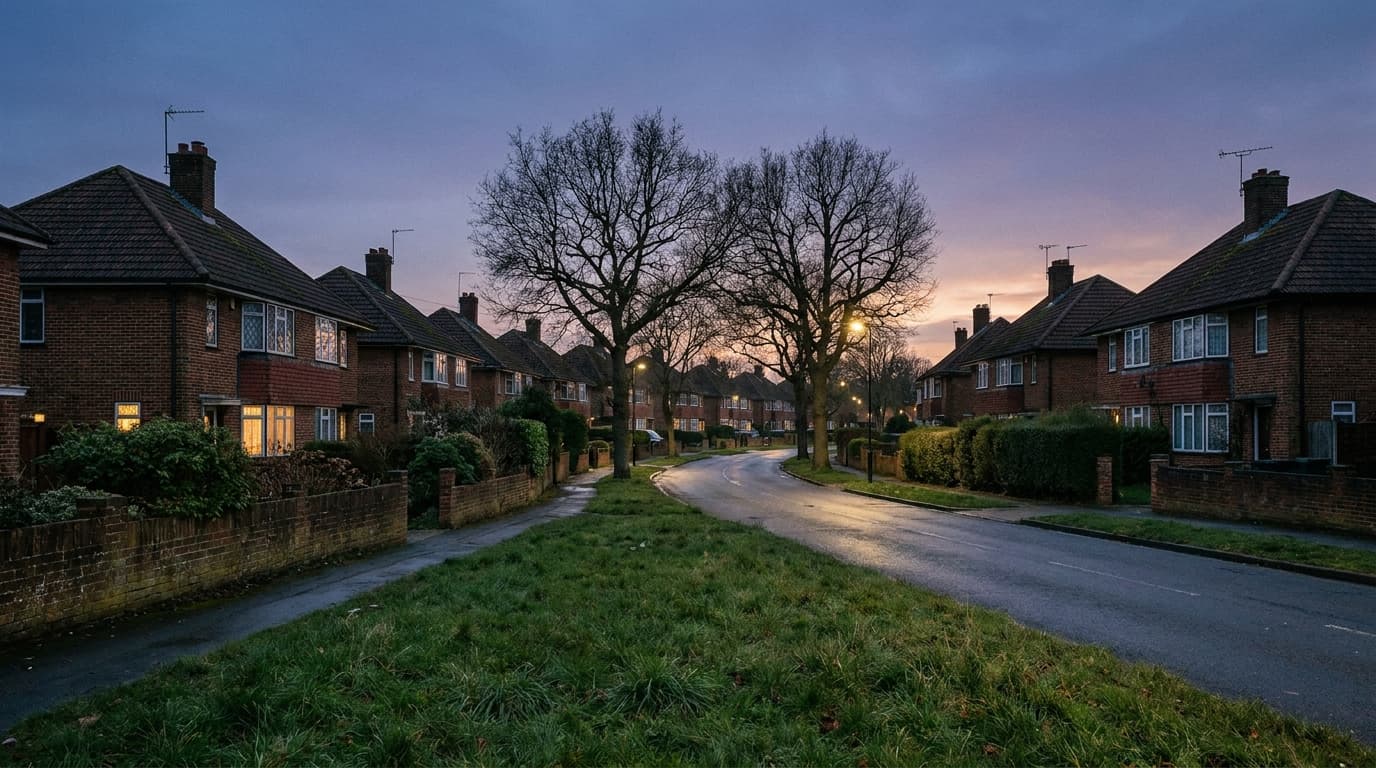
Arts and crafts cottage housing from 1915, roughcast rendered and tile hung, with deep overhanging eaves, steep pitched tiled roofs and continuous voids over terraced pairs and short runs, laid out in curved streets around greens within a conservation area, in mixed owner occupier, private rented and social tenancy ownership along the same runs, with later infill of conventional construction at the edges.
Where the pressure comes from
What you are allowed to fit to the outside
Conservation designation constrains fixings and visible hardware on the elevations that define the area's character, which is exactly where proofing normally goes. The workable answer is reversible, sympathetic detailing on those faces and conventional proofing where it will not be seen, with anything requiring consent identified in writing rather than fitted and argued about afterwards.
Deep eaves and continuous roof voids
Generous overhangs and roofs running unbroken over terraced pairs give squirrels, wasps and nesting birds sheltered space that is well connected and rarely inspected. Treating the reported loft alone is why the next call comes from two doors along; the route in at the verge, soffit or a lifted tile is the thing that has to close.
Render and tile hanging as a route
Roughcast render and tile hanging weather, and the small defects they develop at junctions and abutments are ideal entries. They are also the details a conservation officer cares most about, so the repair is a fabric job done sympathetically rather than a proofing job done fast.
One roof, several owners
Mixed tenure along a single run means a void crossing three or four titles with no one party able to act across it. We survey the run rather than the address and state plainly which defects sit outside the instructing owner's title, which is what makes the conversation with a neighbour or a housing provider possible at all.
Timber, which this stock will eventually raise
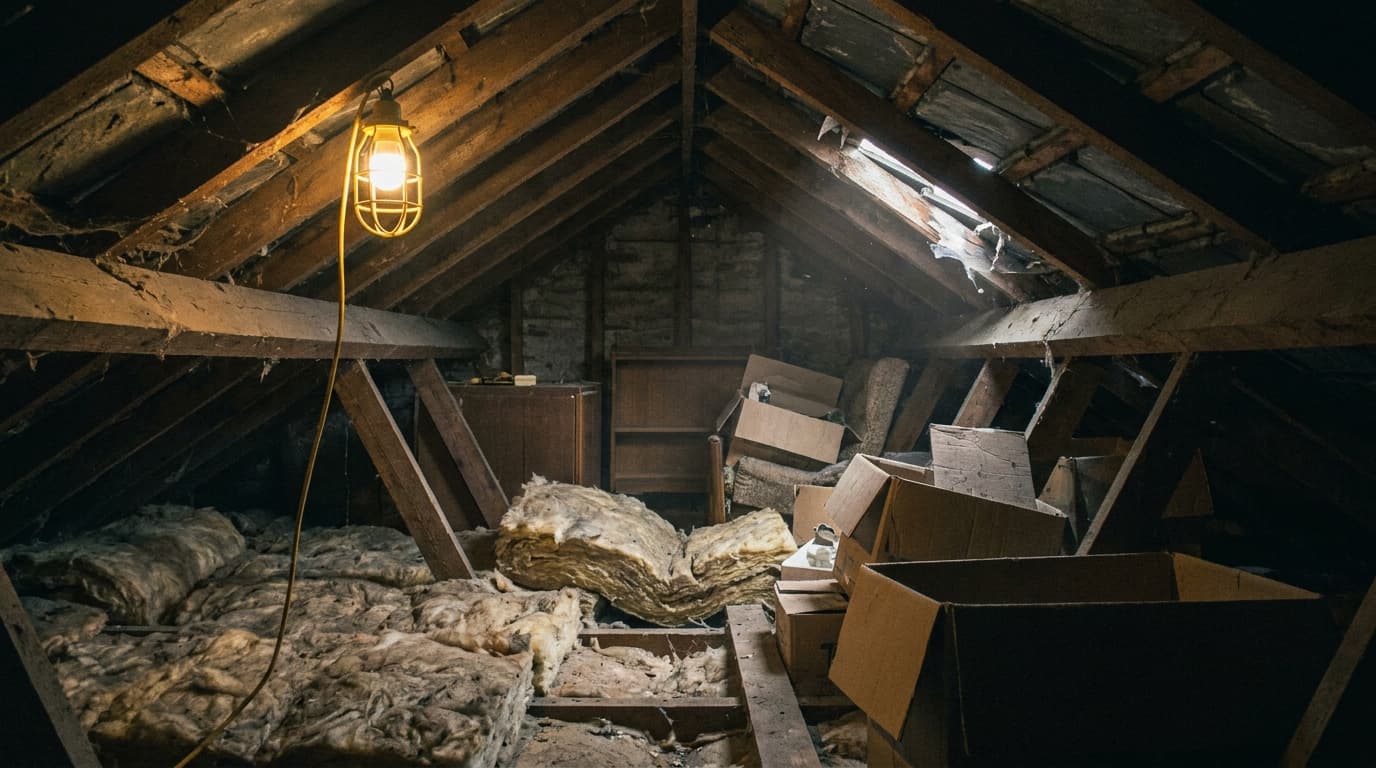
Opening a roof or floor void on housing of this age and construction regularly finds decay that nobody had budgeted for. We carry out timber and woodworm treatment ourselves, so it does not need a second contractor or a second survey, and it is far cheaper to see while access already exists.
Who we work for in Well Hall
- Homeowners in conservation area stock
- Housing associations and registered providers
- Private landlords and letting agents
- Managing agents for period estates
- Schools, nurseries and community buildings
- Local shops and food businesses
Common hotspots
- Verges, soffits and deep eaves overhangs
- Continuous roof voids over terraced pairs
- Render and tile hanging junctions and abutments
- Chimney abutments and flashings
- Suspended floor voids and air bricks
- Rear gardens, sheds and outbuildings
- Communal greens and boundary planting
- Void properties between tenancies
- Later infill extensions and their junctions
Questions we are asked in Well Hall
- We are in a conservation area. Can you still proof the roof?
- In most cases yes, but the specification changes rather than the outcome. On the elevations that define the area's character we use reversible, sympathetic detailing and keep visible hardware to a minimum; conventional proofing goes where it will not be seen. Anything we think needs consent is identified in writing before it is fitted, not afterwards.
- Squirrels are in the roof again after treatment last year.
- Then the entry was never closed, or the void runs further than the treatment did. On this stock the roof frequently continues over neighbouring properties, so the animals return through a defect at a house that was never surveyed. We look at the run rather than the address, and the report says where the route actually is.
- Half the row is privately owned and half is not.
- That is the ordinary position here and it does not stop the work. We treat and proof the addresses you instruct, survey the whole run so you know what you are dealing with, and state plainly where a defect sits on a title you do not hold. That gives you something concrete to take to the neighbouring owner or provider.
- Do you deal with wasp nests in the eaves?
- Yes, and on this roof form they recur in the same positions year after year because the detail that admits them repeats along the street. Treating them together and proofing the roofline in the quieter months costs less than attending the same addresses every summer.
- We have found woodworm while dealing with something else.
- We carry out timber and woodworm treatment ourselves, so it needs no second contractor and no second survey. On housing of this age it is common enough that we look for it whenever a void is open, and seeing it while access already exists is far cheaper than finding it later.
- Will you need to work inside the house?
- For roof work, usually yes, through the existing hatch. Appointments are booked directly with residents, attempted access is logged whether or not anyone is in, and out-of-hours and weekend slots are available because technicians are on shift at night rather than called out from home.
Related services
Pest control across other London districts
Arrange a survey in Well Hall
Free and without obligation. Call 01892 871008 or request a survey. We answer 24 hours a day.