

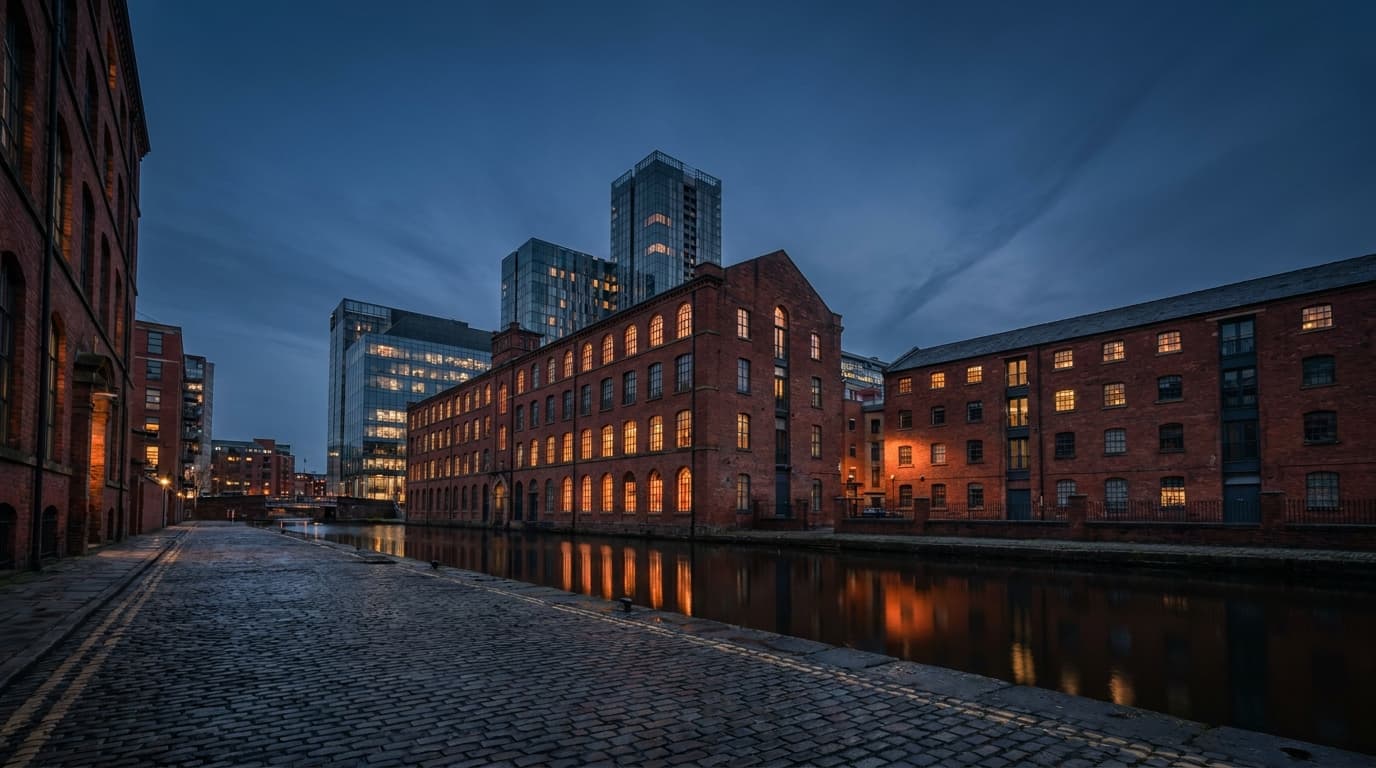
The centre of Manchester is a conversion city. The Northern Quarter, Deansgate and the arches around Piccadilly and Castlefield put restaurants into brick warehouses, railway undercrofts and Victorian basements that were never designed as kitchens and were certainly never designed to be separated from each other.
That has one dominant consequence for pest control. Cellars and service voids in these buildings frequently interconnect, and a rodent route runs between businesses underground where no single tenant controls it. A restaurant treating its own basement while the unit next door does nothing is treating one end of a corridor. It is also why so many operators here experience a problem that clears and returns on a cycle nobody can explain from inside their own four walls.
Nightshift's operation is built around foot technicians, believed to be one of the largest such operations in the UK, and the same model runs in Manchester. In a pedestrianised, tram-served centre where servicing a site by vehicle is genuinely awkward, that means several sites treated in one shift and attendance that does not depend on finding somewhere to park. Technicians work nights as standard, so kitchens are treated after service rather than closed.
What is different about Manchester
Cellars that do not stop at your lease line
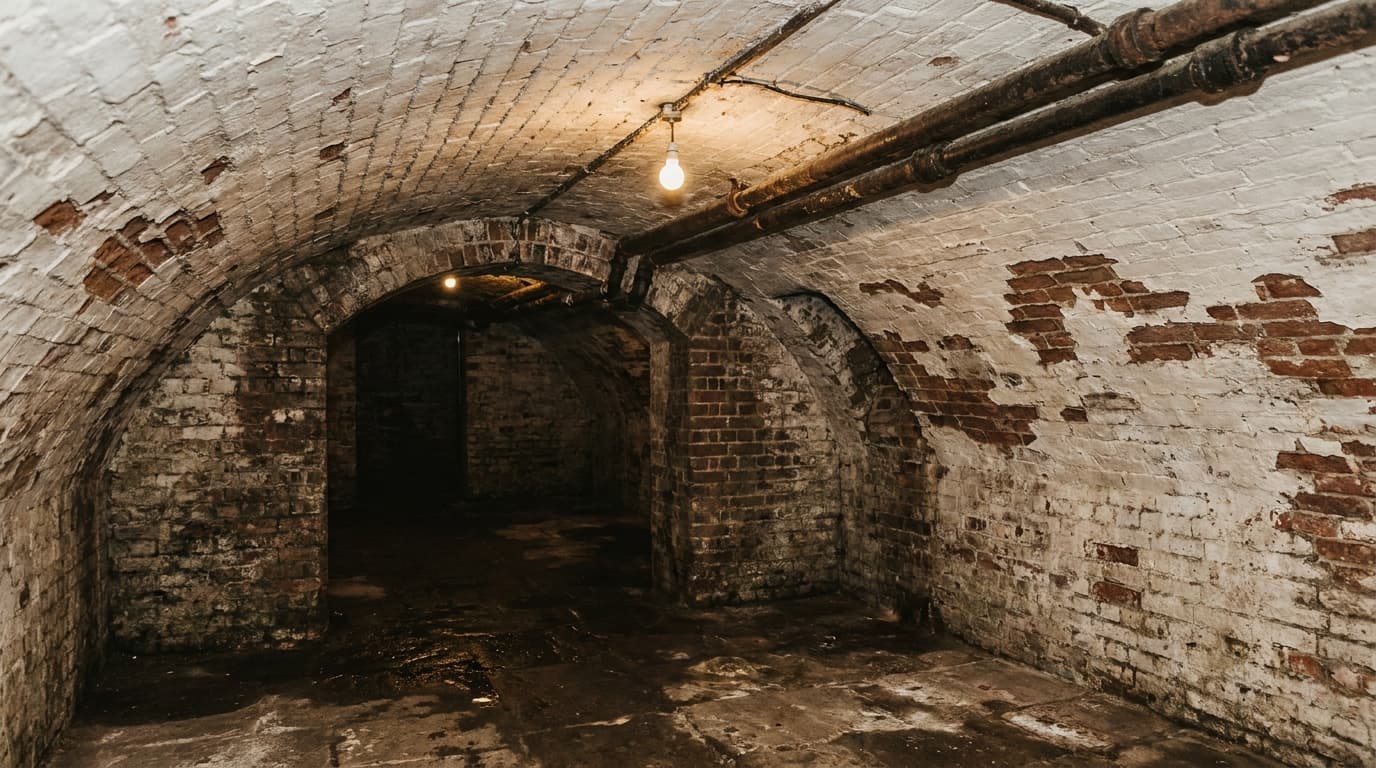
Interconnected Victorian basements and shared service voids are the defining feature of this building stock. Where activity returns after treatment, the question is almost never what was used; it is what the cellar connects to. We survey the void and the drainage rather than the room that reported it, and we will say plainly in the report when the defect sits on a neighbour's title or the landlord's.
Railway arches and undercroft units
Arch units bring their own set: brick that was never sealed, service penetrations cut through masonry over decades, standing damp, and a roof structure carrying live rail above it. Proofing an arch is a different job from proofing a shopfront, and the useful work is usually structural rather than chemical.
Treated after service, no vehicle needed
A pedestrianised centre with tram routes through it is difficult to service by van and easy to service on foot. Technicians on shift through the night move between sites across the Northern Quarter, Deansgate and Spinningfields, treating kitchens between close and prep with a written report the same day.
Late trade, student turnover and the waste that follows
Ancoats, the Oxford Road corridor and the Northern Quarter run late and turn over hard, and the waste stream reflects it: more collections, more bagged overflow standing in shared yards at three in the morning, and a September spike when the student population returns and every kitchen in the area gets busier at once. Programmes here are timed to that calendar rather than spread evenly across a year, because the pressure is not evenly spread either.
Where we work in Manchester
- Northern Quarter
- Deansgate and Spinningfields
- Castlefield and the arches
- Ancoats and New Islington
- Piccadilly and Chinatown
- Oxford Road corridor
Common questions
Our pest problem keeps coming back after treatment. Why?
In central Manchester the usual answer is the cellar. Victorian basements and service voids in converted warehouse and arch buildings frequently interconnect, so the population lives in a run that crosses several leases and your treatment only reaches your end of it. That is a survey question rather than a product question, and the report should tell you where the route actually goes even when the answer is somebody else's property.
Our neighbours will not deal with their side of the cellar. What then?
It is the commonest deadlock in this part of the city and it is worth being blunt about it: we cannot treat property we have no instruction for. What we can do is establish where the route runs and put it in writing, which gives you something concrete to take to your landlord, your managing agent or the neighbouring operator. A dated survey naming the defect moves that conversation in a way a complaint does not.
We are in a railway arch. Is that different?
Yes, and it is worth saying so at survey. Arch units bring unsealed brick, decades of service penetrations cut through masonry, persistent damp and a structure with live rail above. The effective work is usually proofing and drainage rather than treatment, and the specification is different from a conventional shopfront unit.
How do you service a site with no loading access?
On foot, which is the whole reason the model exists. Much of this centre is pedestrianised or tram-served, and a technician walking in at two in the morning has no loading window to negotiate and nowhere to park badly. Where a job genuinely needs equipment brought in, that is planned with you rather than discovered on the night.
Do you cover Greater Manchester as well as the centre?
Yes, with vehicle-based technicians where distance requires it, across Manchester and the North West. Being straight about it: response into the city centre is faster than response to the edge of the region, and we would rather publish that than one number that means something different depending on where you are.
Related: all pest control in Manchester, commercial pest control, hotels and hospitality, and how pests affect your food hygiene rating.
Surveyed after service, like the work
Surveys, quotations and advice are free and without obligation, one site or a group across the city. We will look at the yard, the cellar and the drainage as well as the kitchen, because that is usually where the answer is.
Arrange a survey