

- the North Circular (A406)
- Staples Corner
- the River Brent
- the Welsh Harp (Brent Reservoir)
- Hendon
What drives it is the margins. Embankments, verges, slip roads, service yards and the strips behind crash barriers are continuous, largely undisturbed and rarely anyone's responsibility to maintain, which makes them both a permanent harbourage and a highway. Rodents move along them without crossing open ground, and litter dropped by through-traffic and material fly-tipped in the lay-bys keeps them fed. A unit's problem almost never starts inside the unit.
Sitting on top of that is redevelopment. Large parts of the Brent Cross and Cricklewood area have been under demolition and groundworks for years, and few things drive local pest activity harder. A rat colony that has lived undisturbed beneath a slab or in a run of old drainage does not disappear when the building above it comes down. It relocates, usually into whatever stands nearest, and it arrives in numbers. Units and households several streets from any hoarding routinely see their first activity in decades a few weeks after the ground next door is broken.
For an audited business that is a compliance problem before it is a pest problem. A BRC, SALSA or retailer audit does not ask whether you have seen a rodent, it asks for the survey record, the bait plan, the trend analysis and the closed actions. Nightshift supplies audit-ready documentation as standard, holds the rodent programme, the proofing repairs and the bird work on one agreement, and can carry an estate of units rather than a single address. Technicians answer 24 hours a day and the target for attendance anywhere in London is thirty minutes.
The building stock
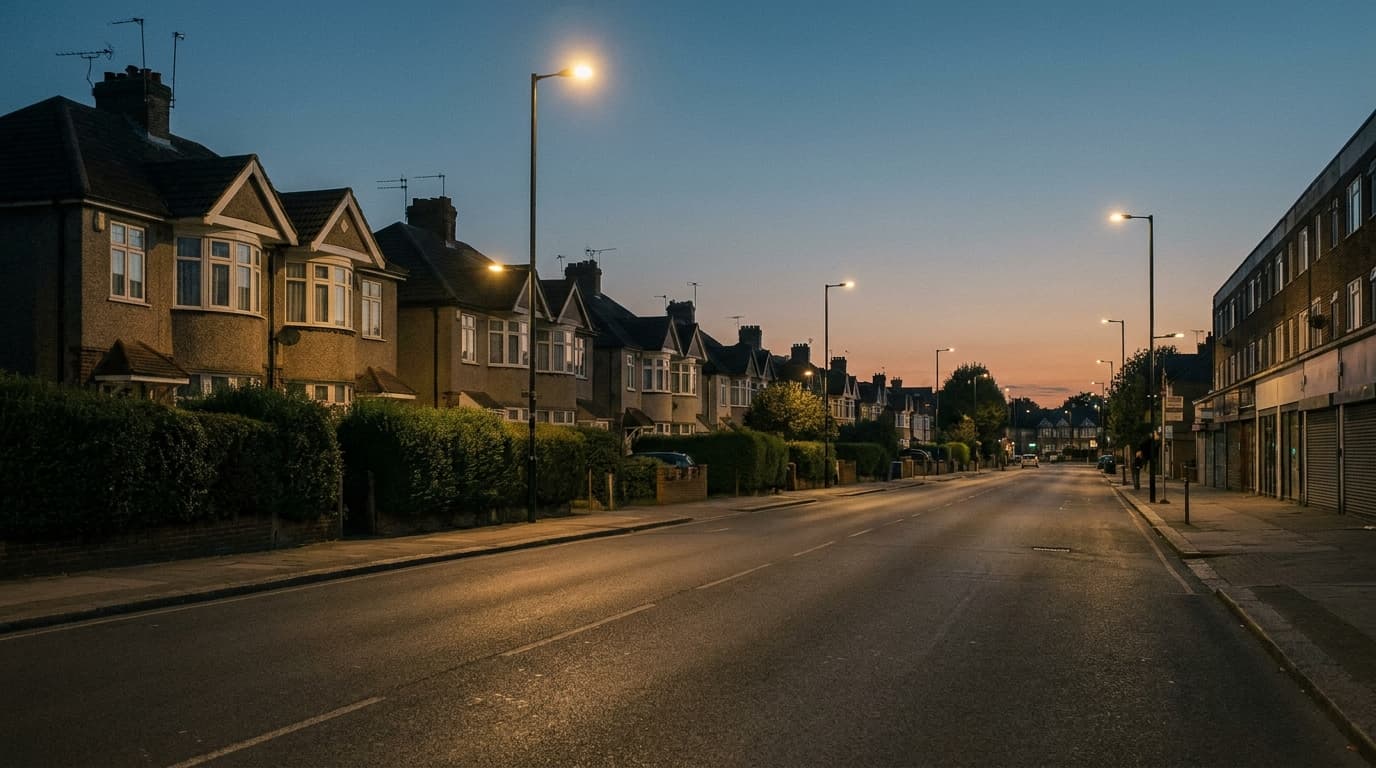
Warehousing, cold storage, food production and light industrial units on the estate roads towards Staples Corner, trade counters, vehicle workshops and roadside forecourt premises along the main routes, large-format retail with substantial service yards and back-of-house, and interwar suburban semis and post-war estate housing on the residential streets either side of the junction.
Where the pressure comes from
Industrial envelopes are full of gaps
A warehouse or trade unit is a large volume behind a thin skin. Roller shutters that do not meet the slab, gaps where cladding meets the ground, service penetrations, dock levellers and pallet racking that is never moved add up to easy entry and undisturbed harbourage. In a food-grade or audited unit, evidence of that is a failed inspection before it is a hygiene problem, so the envelope survey and the repair schedule matter more than the bait plan.
Demolition displaces, it does not remove
Groundworks, slab removal and the abandonment of old drainage runs push an established population outwards rather than destroying it. The buildings that receive it are the ones with an unsealed gap somewhere at ground level, and the arrival is sudden rather than gradual. Where redevelopment is continuing nearby, proofing before the season turns is worth far more than treatment after the event.
Gulls and pigeons over roofs and car parks
Large flat roofs, steel-framed canopies and open parking are exactly what gulls and feral pigeons colonise, and on an industrial roofscape the consequences are practical: fouled walkways and access ladders, blocked outlets, contaminated goods-in areas and, in nesting season, birds that will not tolerate maintenance staff on the roof. Netting and proofing handle the enclosed steelwork; flying a hawk handles the open spans where nothing can be fixed.
Road and rail margins run everywhere
Embankments, central reservations, cuttings and the strips behind crash barriers form an unbroken network of cover across the whole district. Roadside litter and fly-tipped material along the quieter approach roads supply the food, and no amount of activity inside one building changes what is happening on the verge fifty metres away.
Permanent water on the doorstep
The River Brent and the reservoir margins at the Welsh Harp give rats what open ground alone cannot: water that never dries up, dense bankside vegetation and soft earth for burrowing. Premises backing onto watercourses or culverted sections carry a background level of pressure that is seasonal in its intensity but never actually absent.
Who we work for in Brent Cross
- Warehousing, storage and distribution
- Food production, cold storage and food-grade units
- Retail parks, superstores and back-of-house operations
- Trade counters and light industrial premises
- Motor trade, forecourts and vehicle workshops
- Construction and demolition contractors
- Housing associations and estate managers
Common hotspots
- Roller shutter thresholds, dock levellers and cladding junctions
- Service penetrations, cable entries and duct runs through the envelope
- Pallet racking, stored stock and long-undisturbed floor space
- Goods-in bays, staff canteens and waste compaction areas
- Yard perimeters, palletised waste and skips
- Flat roofs, roof steelwork, canopies and open car parking
- Road embankments, verges, lay-bys and fly-tipped material
- Riverbanks, culverts, ditches and reservoir margins
- Cavity walls, sub-floor voids and airbricks in interwar housing
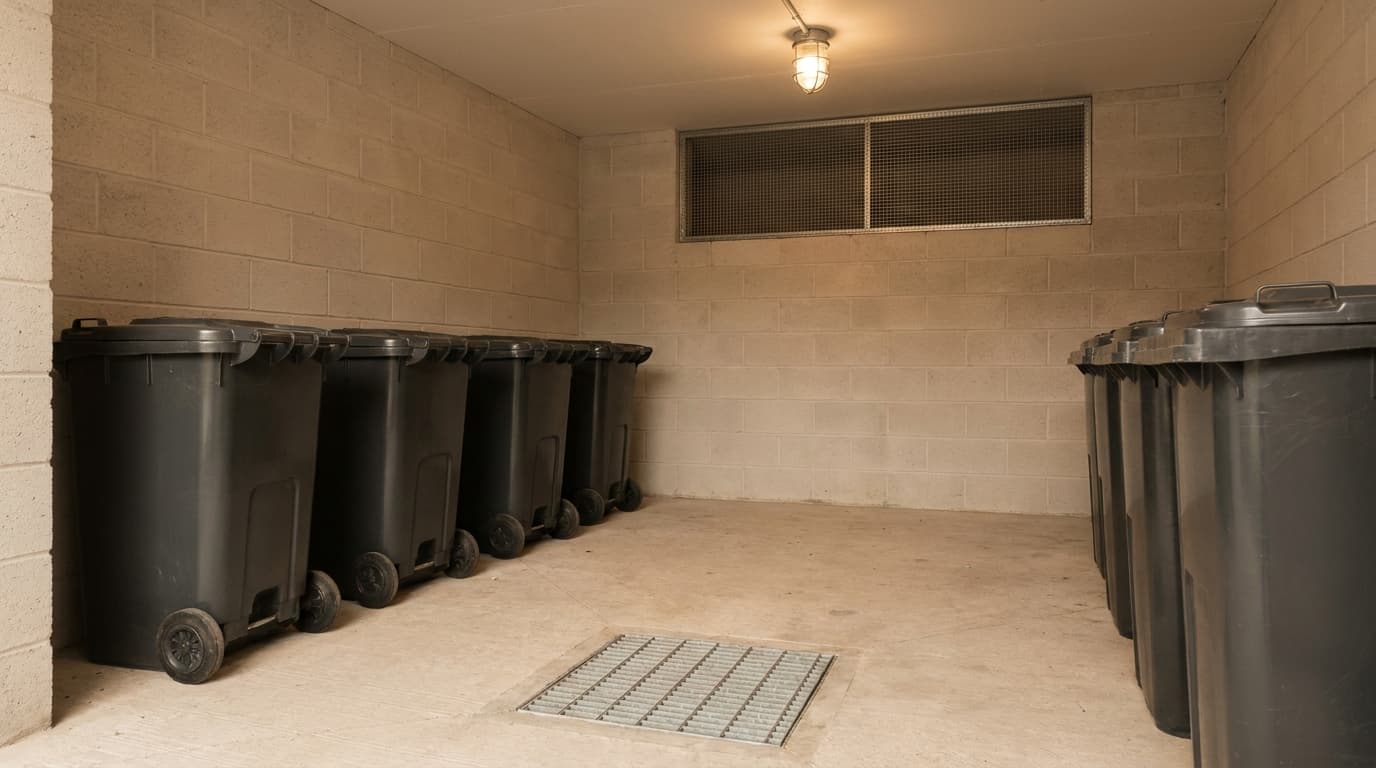
- Communal bin stores and refuse chutes on the post-war estates
- Vacant premises and hoarded ground awaiting redevelopment
Questions we are asked in Brent Cross
- Do you provide documentation for a BRC, SALSA or retailer audit?
- Yes, and it is written to be read by an auditor rather than filed unread. Each visit produces a same-day written report, with the survey record, bait and monitor plan, trend information and outstanding actions kept current. RAMS, COSHH data, insurance certificates and risk assessments are supplied for procurement. We are BPCA members and CEPA certified.
- Can you cover a whole estate of units on one contract?
- Yes. A single agreement can carry multiple units and multiple sites, with the rodent and insect programme, proofing repairs, bird control and any timber work held together rather than split between suppliers. Reporting consolidates for the estate while each unit keeps its own record for its own inspection.
- Our unit has shutters open through the day. Can anything actually be done?
- Yes, though it is proofing rather than treatment that does it. Brush strips and threshold seals, repairs where cladding meets the slab, sealing service penetrations and sorting the yard and waste arrangements together make the building far less rewarding. We survey the envelope and set out what needs repairing, in priority order.
- We have gulls nesting on the roof and maintenance cannot get up there. What are the options?
- A roof-level survey first, then the right mix for the structure: proofing and netting where there is something to fix to, and falconry where there is not. Trained hawks are flown to move feral pigeons and gulls off without harming them, which is usually the only workable answer on large open spans, and it is a service we run in house.
- The site next door is being demolished and we suddenly have rats. Is that connected?
- Almost certainly. Breaking ground disturbs burrows and old drain runs, and the population that was living there has to go somewhere. It is one of the most predictable patterns in this part of Barnet. The answer is to find and close their entry route into your building, because the pressure outside will continue until the site does.
- We back onto the water. Will this keep recurring?
- The background pressure will stay, so the aim is exclusion and a monitoring routine rather than a one-off clearance. We treat what is present, proof the building, and advise on the boundary: dense cover, decking, feeders and bin storage against the wall all make the difference between pressure passing by and pressure moving in.
Related services
Pest control across other London districts
Arrange a survey in Brent Cross
Free and without obligation. Call 01892 871008 or request a survey. We answer 24 hours a day.