

- Brompton Road
- Sloane Street
- Knightsbridge station
- Hyde Park
- Montpelier Square
Commercially this is one of the densest districts in the country, and the buying is done by professionals. Hotel groups, retail estates, embassies and family offices procure pest control the way they procure any other critical service, with insurance certificates, method statements, audit trails and a named account contact. Nightshift has been entrusted with some of the world's most famous hotels, and everything about how we work here comes from that: out of hours as standard, access through the porter or duty manager, and a same-day written report so the agent holds evidence without the matter being discussed on the front desk.
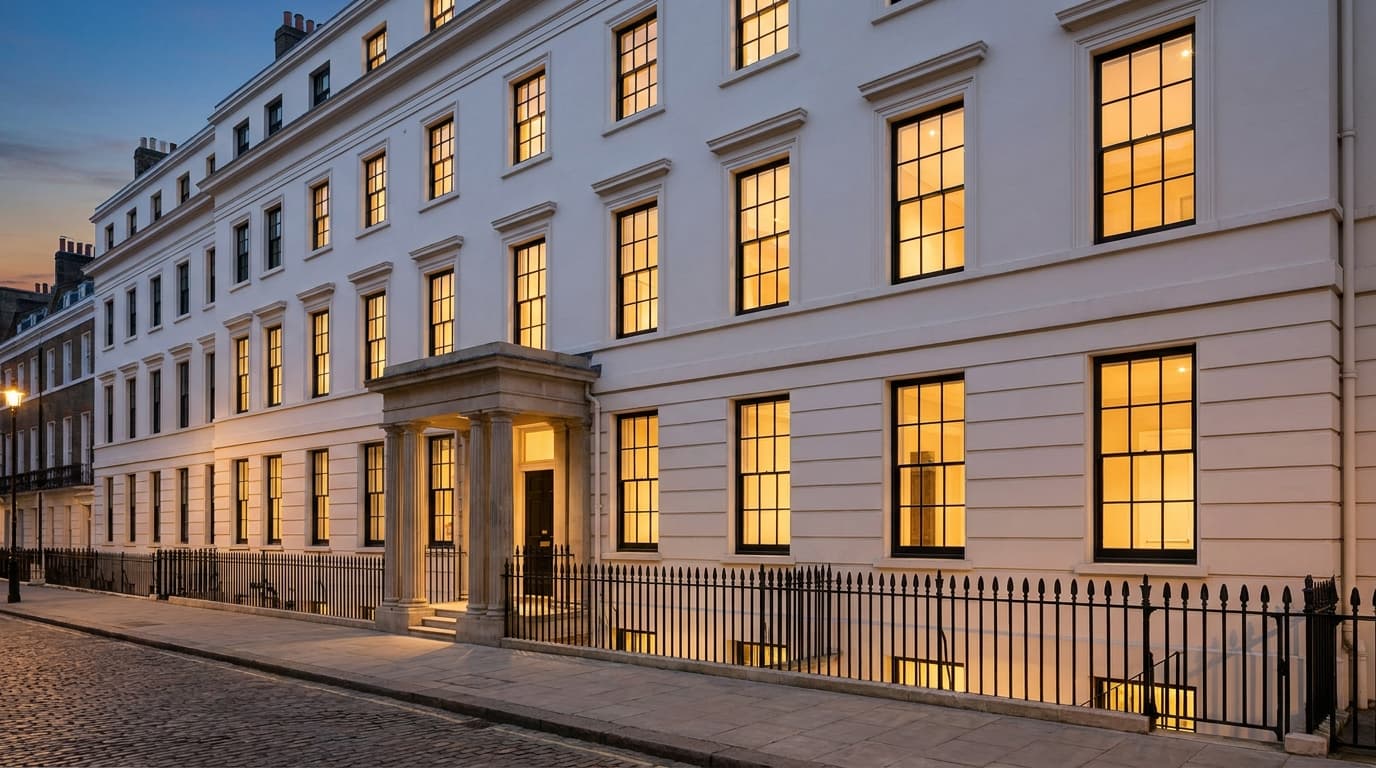
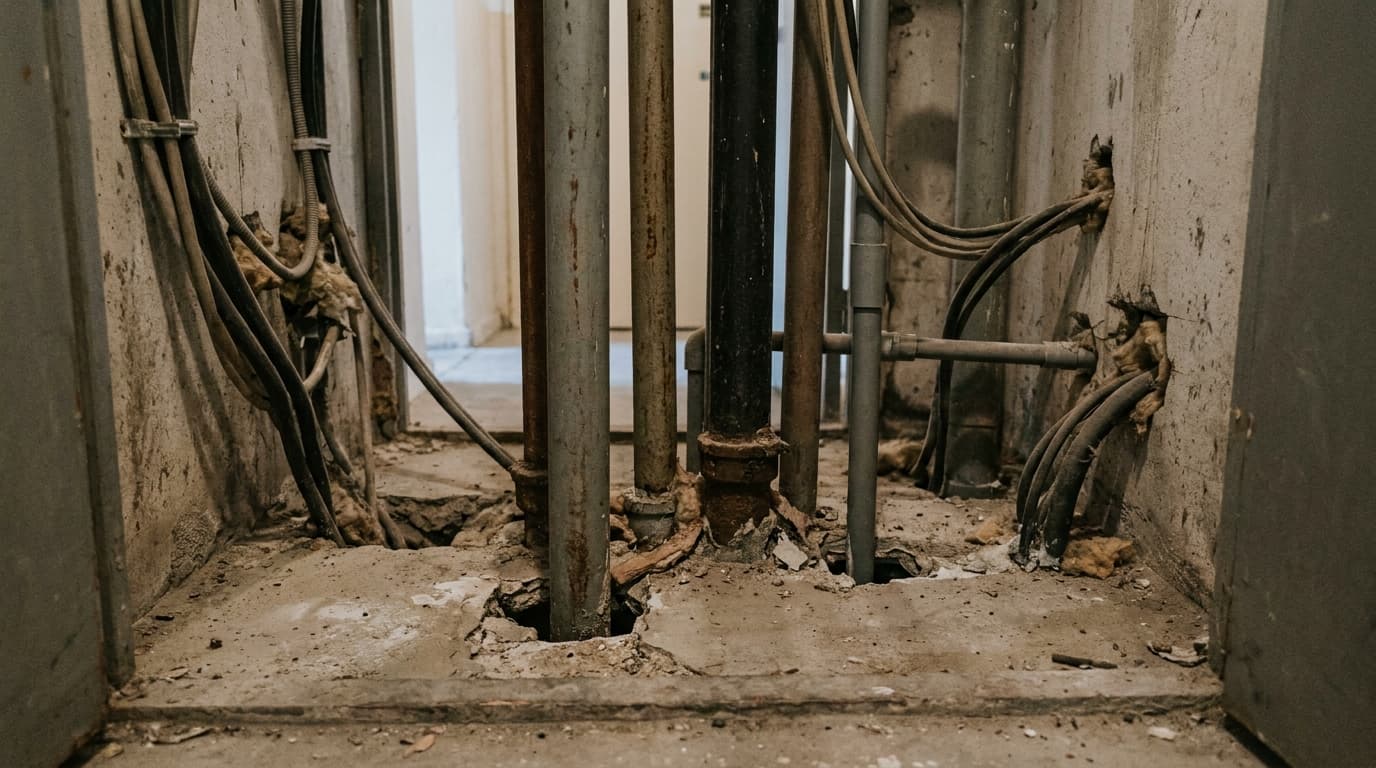
Structurally, the district is defined by what sits underneath it. Behind the stucco elevations of Brompton Road and the streets running north from Sloane Street are shared basements, porters' areas, refuse rooms and service corridors that connect buildings to each other far more than the street frontage suggests. Add the excavated lower ground floors beneath many of the houses, with pool and gym plant in them, and you have a large, warm, interconnected sub-level that no single occupier can see all of.
Above the cornice line the problem inverts. Stucco parapets, balustrades and light-well returns on protected and listed frontages are ideal pigeon nesting and almost impossible to net without a consent argument and a visible result nobody wants on a flagship elevation. Falconry is the answer that fits the district: trained hawks flown at first light disperse feral pigeons and gulls without harming them and without anything being fixed to the facade. Technicians are already on shift overnight, and the target across London is thirty minutes.
The building stock
Mansion blocks and stucco-fronted terraces in multiple occupation, many with excavated lower ground floors and swimming pool or gym plant beneath them, alongside luxury hotels, flagship stores with substantial back-of-house, and embassy, gallery and private office use in converted townhouses, much of it listed or within a conservation area.
Where the pressure comes from
Discretion is a technical requirement
A visible treatment in this district costs more than the infestation. Arrivals are unmarked, equipment is carried in through service entrances, and scheduling works to the building's quietest hours. Anything that cannot be done invisibly has to be planned rather than improvised on the day.
Pigeons on facades that cannot be netted
Parapets, balustrades, cornices and light wells on listed and conservation-area frontages attract continuous nesting, and the usual proofing either fails consent or ruins the elevation. Hawking clears and holds the roofscape without touching the building, and where discreet proofing is permissible we specify it alongside rather than instead. Fouling on a canopy or a shopfront is a reputational problem long before it is a hygiene one.
Shared basements and refuse rooms
Chutes, bin rooms, porters' stores and boiler rooms are the one part of a block every flat feeds into and nobody individually owns. Warmth, waste and continuous access make them the reservoir, and a programme that treats apartments while ignoring the basement is treating symptoms.
Bed bugs move with the guest
In a district of hotels, serviced apartments and high international turnover, introduction is continuous and has nothing to do with cleanliness. What matters is finding the affected rooms precisely and returning them to service quickly, rather than closing a floor while a whole corridor is treated speculatively.
Moths in textile-heavy interiors
Fitted wool carpet, silk curtains, cashmere and stored couture give clothes moths ideal conditions in flats that are frequently unoccupied for months, and the same is true of a stockroom of natural fibres or a store of upholstered furniture. Damage accumulates quietly and is found on return, by which point the population is well distributed through the wardrobe and the underlay.
Who we work for in Knightsbridge
- Luxury hotels and serviced apartments
- Flagship retail and department stores
- Fine dining restaurants and hotel kitchens
- Mansion block managing agents and porters
- Embassies, private offices and family offices
- Galleries, auction houses and private collections
Common hotspots
- Refuse rooms, chutes and porters' stores
- Basement plant, pool and gym areas beneath residential blocks
- Hotel guest rooms, headboards and adjoining service corridors
- Kitchens, pastry sections and dry goods stores
- Service lifts, staff stairs and back-of-house corridors
- Wardrobes, dressing rooms and carpet edges in unoccupied flats
- Stucco parapets, balustrades, light wells and rear balconies
- Shopfront canopies, signage returns and entrance awnings
- Retail stockrooms and goods-in bays
Questions we are asked in Knightsbridge
- Will anyone know you have been?
- That is the intention. Vehicles and workwear are unbranded on request, we come in through the service entrance, and the work is scheduled for the hours the building is quiet. The written report goes to the managing agent or duty manager, not to the front desk.
- Can you deal with pigeons without fixing anything to a listed facade?
- Yes. Our falconry team flies trained hawks to disperse feral pigeons and gulls without harming them, which is the practical option on stucco, stone and protected elevations where netting or spikes would need consent and would still be visible. We survey the roofscape first and specify discreet proofing only where it suits the fabric.
- We procure through a framework. Do you provide the documentation?
- Yes. Insurance certificates, method statements, RAMS, COSHH data and risk assessments are supplied as standard, and we hold public sector framework appointments alongside our commercial work. Reporting can be consolidated across an estate or issued building by building.
- Our block has an issue in the bin room. Do residents need to be involved?
- Rarely. Communal areas are the managing agent's to instruct, and most of what needs doing sits in the basement and the service risers. We would only need access to individual flats if activity has already moved beyond the communal areas, and we will say so before assuming it.
- Can you confirm which rooms are affected before we take them out of service?
- Yes. Canine bed bug detection surveys a floor quickly and identifies the specific rooms carrying live activity, so you close two rooms rather than twenty and the rest keep earning.
- How fast can you get to us at night?
- Our technicians work through the night as standard rather than being called out from home, and the target for attendance anywhere in London is thirty minutes. The phone is answered 24 hours a day, including weekends and bank holidays.
Related services
Pest control across other London districts
Arrange a survey in Knightsbridge
Free and without obligation. Call 01892 871008 or request a survey. We answer 24 hours a day.