

- Greenwich Park
- Maze Hill station
- Vanbrugh Castle
- Westcombe Park
- Blackheath
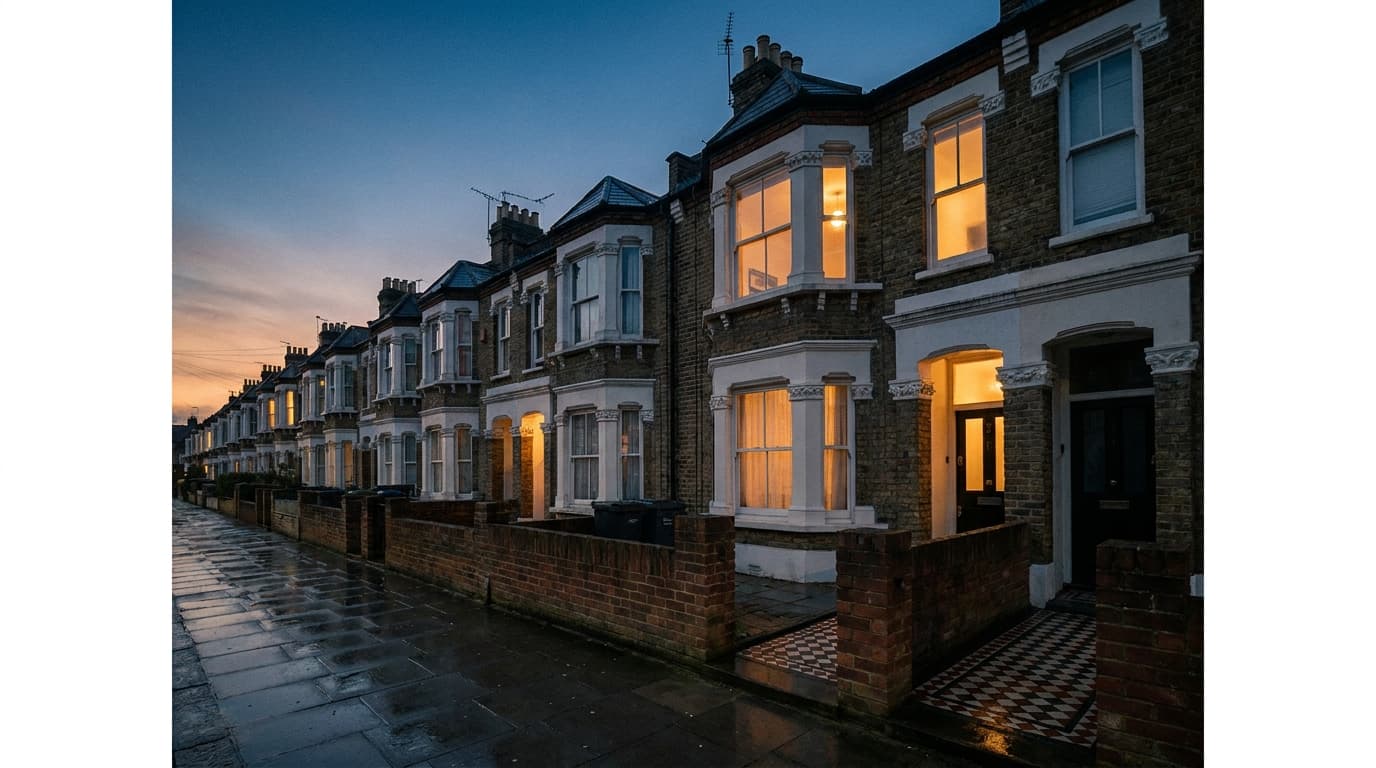
Those buildings are not only houses. This corner of Greenwich carries a working commercial estate that visitors rarely think of as one: heritage and visitor buildings with public access and collections to protect, pubs, hotels and riverside hospitality trading on hygiene ratings and reviews, schools and community buildings, and a substantial amount of housing association and council-managed conversion stock. Each of them needs the same survey and a different report, and each has a duty holder who has to be able to show what was done.
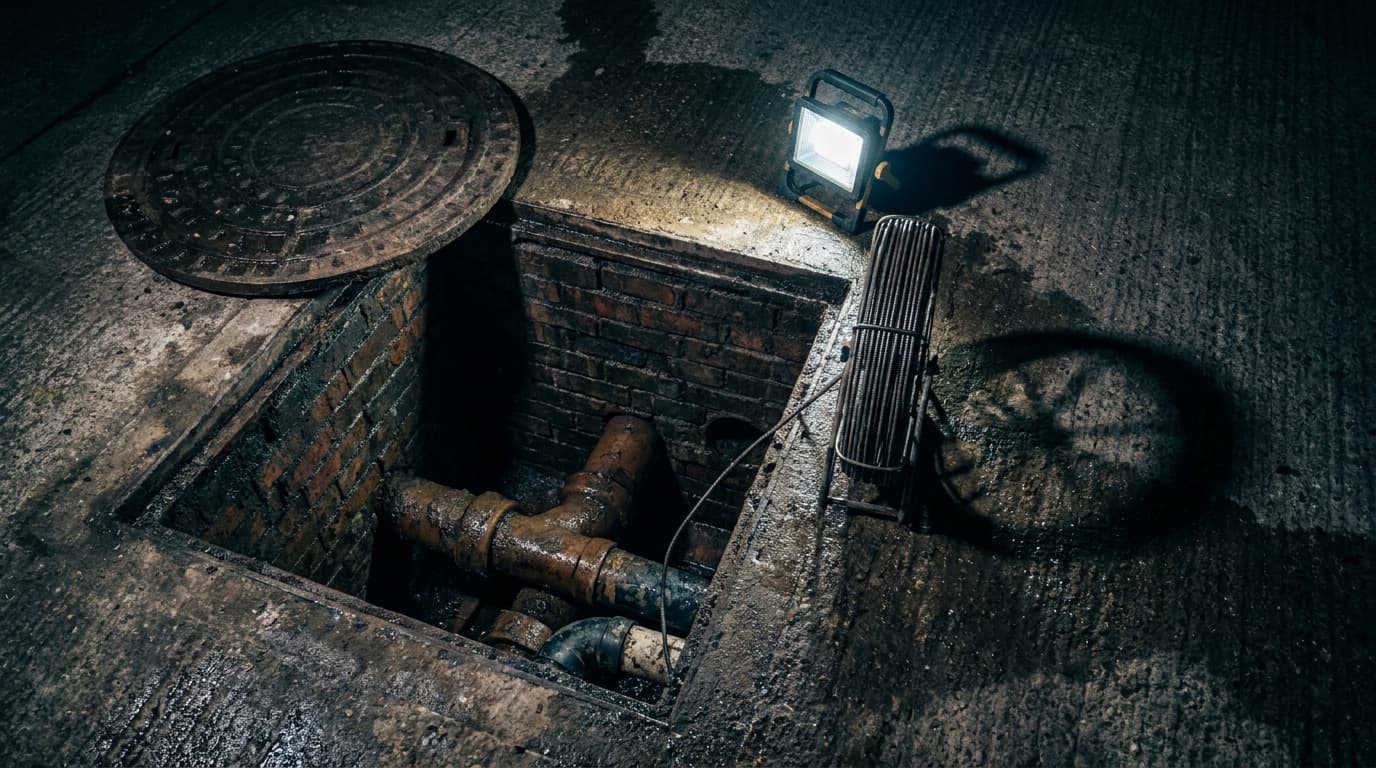
The fabric is what makes this district specialist work. Georgian and early Victorian structure, much of it listed or locally protected, sits on drainage that in places is original brickwork with later clay and plastic patched into it. Rats travel drains before they travel gardens, and the recurring pattern here is activity that stops after treatment, then returns a few months later at the same address, because the defect that let them in was never found. The same buildings carry the other half of our trade: woodworm, wet and dry rot and beetle infestation in bearing timbers, joist ends and roof structure, surveyed and treated by a timber division that has spent over forty years on historic buildings and issues twenty-year warranties on its work.
Heritage constraint shapes every repair. Proofing a listed elevation is not a matter of foam and mesh wherever a gap appears, and the gull and pigeon pressure coming off the river and the park cannot be answered by bolting hardware to a protected parapet, which is where flying a hawk earns its place instead. Nightshift specifies to suit the fabric, works with conservation officers where consent is involved, and will say at survey when something proposed is not appropriate for the building.
The building stock
Georgian and early Victorian terraces and villas facing the park, solid-walled and built over cellars and coal vaults, widely converted into flats including housing association and council-managed units, alongside listed and locally protected heritage and visitor buildings, riverside pubs and hotels, schools and community halls, and interwar and post-war infill on the higher ground towards Westcombe Park.
Where the pressure comes from
The park boundary is a seasonal front line
Rodents on open ground move towards buildings as the weather turns and as natural food falls away. Gardens, yards and service areas backing onto the park take that pressure first, and the sheds, compost heaps, log stores and trade waste at the back of those plots are the staging post before anything reaches the building.
Woodworm and rot in historic structure
Solid-walled Georgian buildings with embedded joist ends, cellars below and no cavity are prone to damp at exactly the points where the structure bears, and beetle infestation follows the moisture. Live infestation and long-dead damage look similar to an untrained eye and cost very different amounts to resolve. Our timber team surveys, identifies which it is, and treats or replaces with the conservation constraints already accounted for.
Ageing drainage under old buildings
Original brick-jointed runs, redundant branches left in place during past conversions and root damage from mature street trees all produce openings below ground. Activity that clears and then returns to the same address months later is a drainage defect until proven otherwise, and a camera survey settles it.
Public access changes the specification
A visitor building, a school or a pub cannot be treated the way an empty house can. Anything laid has to be secure from children and from the public, work has to fit around opening hours, and the record has to be good enough for an environmental health officer or an insurer. Out-of-hours attendance and same-day written reporting are what make that workable.
Basement and lower ground units take it first
The lowest unit in a converted building sits closest to the drainage, the light well and the garden, and hears activity in the structure that the floors above never notice. It is also where the fabric is dampest and the timber most vulnerable, so the pest problem and the building problem tend to arrive together.
Birds on protected elevations
Parapet gutters, valley junctions, pediments and stone ledges collect pigeon nesting, and near the river gulls add to it through the breeding season. Fouling damages stonework and blocks rainwater goods, and the usual proofing hardware is frequently unacceptable on a listed frontage, so dispersal by hawk does the work the fabric will not permit.
Who we work for in Maze Hill
- Heritage buildings, museums and visitor attractions
- Pubs, hotels and riverside hospitality
- Housing associations and council-managed conversions
- Schools, nurseries and community buildings
- Freeholders, flat management companies and managing agents
- Conservation architects, surveyors and specialist contractors
Common hotspots
- Garden and yard boundaries, sheds, compost bins and log stores
- Trade waste storage and bin areas serving hospitality
- Manholes, gullies, light wells and redundant drain branches
- Basement and lower ground units, coal vaults and undercrofts
- Suspended floors, joist ends and bearing timbers
- Roof voids, parapet gutters, valley junctions and stone ledges
- Cellars, kitchens and cold stores in licensed premises
- Communal bin areas and front garden refuse storage
- Mature street trees and the ivy on boundary walls
Questions we are asked in Maze Hill
- Do you carry out woodworm and timber treatment as well as pest control?
- Yes, with a dedicated timber division rather than as a sideline. It surveys for woodworm, wet and dry rot and beetle infestation, distinguishes live activity from historic damage, and carries out treatment and timber repair. The team has over forty years of experience in historic buildings and issues twenty-year warranties on its work.
- We run a pub or visitor building here. Can you work around opening hours?
- Yes, and it is the normal arrangement. Technicians are on shift through the night, so cellars, kitchens and public areas can be attended before opening or after close. A written report is issued the same day, and RAMS, COSHH data and insurance documentation are supplied for the file.
- Our building is listed. Can you still proof it?
- Yes, with the fabric taken into account. Proofing is specified to suit the building rather than applied generically, and where consent or a conservation officer is involved we work to that. Where hardware is not acceptable on an elevation, falconry disperses pigeons and gulls without anything being fixed to the building at all.
- We back onto the park. Is there anything we can actually do?
- A good deal. You cannot treat the park, but you can make the boundary and the building unrewarding: secure waste, lift feeders, clear dense cover against the wall, and proof the fabric at ground level. We survey the boundary as part of the visit and set out what is worth changing.
- The rats came back after treatment. Why?
- In this part of Greenwich it is usually the drainage. Where activity recurs at the same address we recommend a camera survey of the runs beneath the property, because until the defect is repaired the treatment is only ever holding a position.
- Do you work with housing providers on converted stock here?
- Yes. Block-level programmes, void property treatment between tenancies and evidenced resident appointments are standard work for us, and the reporting is written so the provider can show what was found, what was done and what remains outstanding.
Related services
- Housing associations
- Falconry & bird of prey control
- Timber treatment & preservation
- Estates, parks & heritage
Pest control across other London districts
Arrange a survey in Maze Hill
Free and without obligation. Call 01892 871008 or request a survey. We answer 24 hours a day.